6 Types of Ocean Freight Carriers and Their Functions
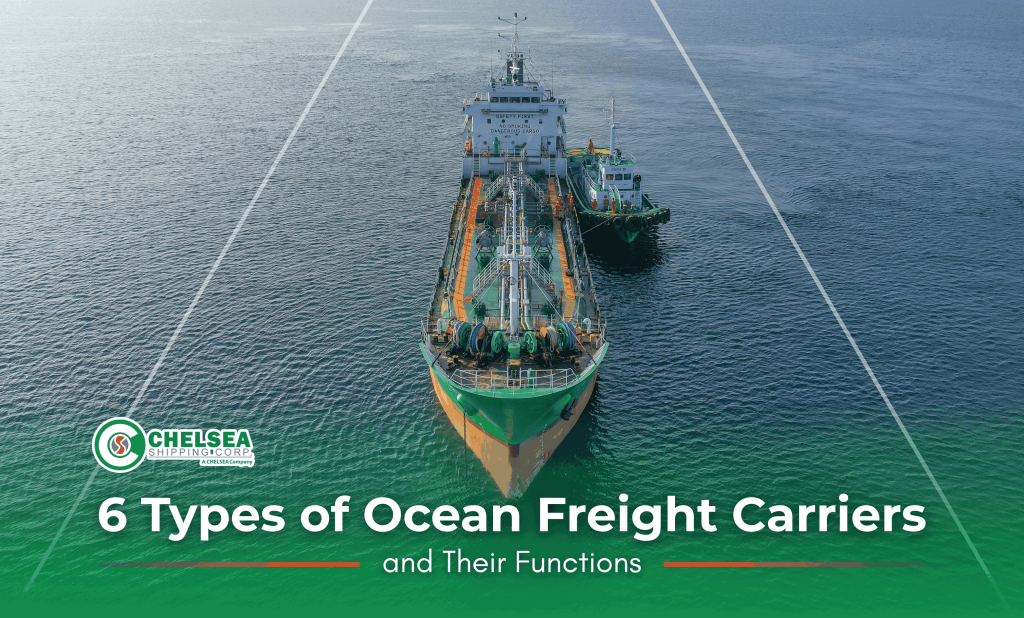
Ocean carriers like cargo, container, dry bulk vessels, and tankers have unique characteristics, designed for specific cargo. Learn which types work for your goods.
The Business Benefits of Cargo Handling Services
Cargo handling is a vital business requirement no matter which industry you belong to. Important documents, product shipments, equipment, and various materials need to be transported to the right partner or customer. Every commercial and corporate logistics challenge is unique. To solve this, logistics providers cater to diverse shipping solutions, and tailor each process to a clients’ specific demands. When you outsource various types of cargo handling for your business, you gain access to numerous advantages that can elevate your operations. This article outlines the most rewarding benefits. 7 Smart Ways Cargo Handling Services Can Boost Business Operations The foremost business advantage of cargo handling is its cost-efficiency. Many logistics providers have budget-friendly rates for bulk shipments. This is especially beneficial to large-volume shipments in ecommerce, manufacturing, raw materials, and construction. Eventually, when you build loyalty and good rapport with a shipping company, you may be given early access to new offers or discounted rates. As mentioned earlier, every business logistics challenge is unique. There is no universal solution, and that is precisely why cargo handling companies offer flexible choices that give you more control over cargo transport. They have the capacity to expedite time-sensitive shipments, perishables, and hazardous goods. Technology is also used to track and monitor transport and processing in real-time. Certain products may be subject to special permits before being allowed to transport. A cargo company can process and obtain these documents on your behalf. This helps you stay cooperative and avoid potential legal issues or penalties when shipping. Choose a logistics company with a complete array of services, products, and add-ons to choose from. Most business owners find it simpler and more cost-effective to outsource different functions from the same business, especially due to its flexibility and scalability. Here are some more services that you can explore. Types of Cargo Handling Logistics risks can pull your business out temporarily and create unexpected downtimes. To remedy this, cargo handling services facilitate each stage of shipment with caution. Risk assessment, management, and safety compliance are some of the core preventive measures taken by logistics companies to keep your cargo safe and your business steady. Shipping challenges can get in the way of consistent, speedy deliveries. A dedicated customer support team is also essential for sudden challenges and concerns regarding your shipment. Highly-skilled experts in this field are certified professionals, and have long been engaged in various types of cargo handling. This means they are knowledgeable in the best solutions for your items. Cargo shipping companies in the Philippines usually establish a broad network of communities in different parts of the country. If you’re looking to expand your business with ease, the easiest way to gradually explore other regions is through your current logistics provider. For instance, Visayas and Mindanao shipping companies have inter and intra-regional shipping routes you can explore (ex. Cebu-Cagayan de Oro or Davao to Zamboanga shipping). Moving your goods from point A to B may look like a simple job, but it comes with many challenges. When you work with the right cargo handling company, you will know how crucial it is for businesses to engage in reliable shipping practices. Look for a logistics partner that can increase your competitive edge against competitors and improve long-term customer trust. ALSO READ: 5 Essential Facts About Dry Docking in the Philippines Get Reliable Cargo Services in the Philippines Chelsea Shipping delivers better shipping, better logistics, better life. We offer diverse commercial shipping solutions, such as cargo handling, chartering, tugs services, ship management, and crewing. Chelsea Shipping is also the primary choice of top Philippine oil and gas companies, providing a large fleet capacity and safe transport of each commodity. Find all-in-one solutions for business transactions with us today. Connect with us here to get a quote.
5 Essential Facts About Dry Docking in the Philippines
A dry dock in the Philippines provides a safe, stable venue for ship maintenance and repair. This article talks about the basics and advancements in dry docking.
8 Types of Maritime Cargoes in the Philippines
Shipping diverse types of maritime cargo is much easier through the help of comprehensive sea cargo services. Discover the most common cargoes you can ship via sea.
7 Must-Know Facts About Tug Boat and Barge Operations
Tug boat and barge services can easily navigate narrow inland waterways cargo ships cannot. Learn how these versatile water crafts can transform your operations.
How to Optimize Fleet Performance and Save More
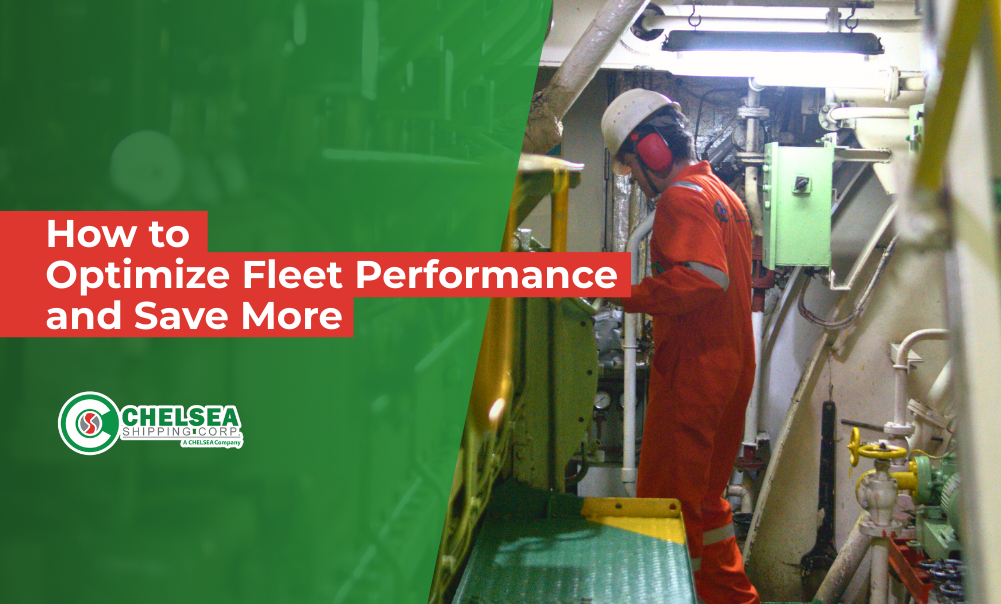
Your business can streamline ship management in the Philippines with various cost-saving strategies, such as marine tech solutions, ship audits, and hiring experts.
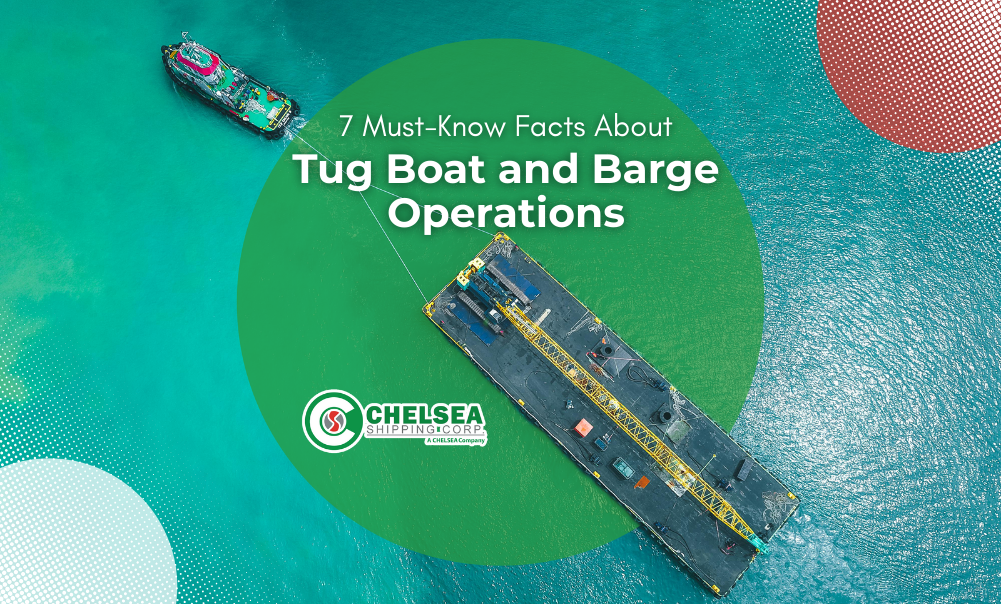
7 Must-Know Facts About Tug Boat and Barge Operations
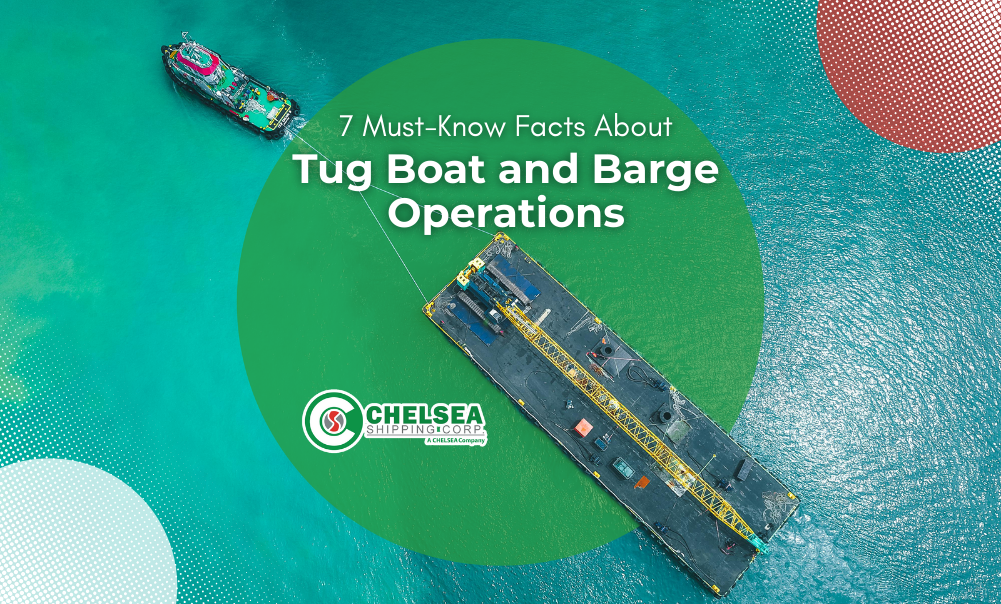
Versatile watercrafts like tug boats support a variety of vessels, including stationary water structures. Tug boat and barge services provide functional support to cargo, RoRo, and even tanker ships. When combined, the two water crafts can enhance shipping operations in inland waterways, shallow waters, ports, and harbors. They play a meaningful role in streamlining cargo transport and assisting offshore activities. It is important to be familiar with the versatility of tug boats, as well as the functionality of barges. This article lists basic facts about tug and barge services that can lead to improved shipping operations. 7 Essential Facts About Operating Tug Boat and Barge 1. Tug and barge operations focus mainly on cargo. Barges are the flatbeds of the sea. They can carry diverse cargo, including dry bulk, liquid, oversized, and container cargo. Businesses that deal with metal ores, coal, or construction materials can leverage reliable, high-capacity barges to accommodate heavy loads without the expensive costs of hiring a regular carrier. 2. Non-self propelled barges are dependent on tugs. Barges, usually non-self propelled types, are pushed or towed by tug boats. A tug boat and barge that is located in the ocean will most likely be pulled along due to the large open space available. Meanwhile, barges in narrow inland waterways like rivers and canals must be pushed by a tug. 3. There are various types of barges. Many kinds of barges operate worldwide; however, inland barges make up a large majority of these. Here are four common types used in tug and barge operations: 4. Tug boat and barge services are great for small waterways. When cargo vessels are incapable of entering narrow canals or rivers, a tug boat and barge complete the job. No matter how heavy cargo shipments are, they can be loaded onto a barge and maneuvered by a tug boat down to its rightful location. The powerful propulsion system of tug boats allow them to apply the precise thrust needed to pull or push a barge. Furthermore, both are built to navigate shallow waters unlike cargo ships. 5. They can be used for ship-to-ship transfer. While tugs are primarily used for maneuvering large vessels at the port, they can also be used to connect ships and barges for the transfer of goods. Floating docks or dry cargo barges, in particular, can supplement the loading and unloading process from freight carriers. This way, goods can be moved at a transfer point with ease. It also serves as an extension of land for ports with insufficient space to hold cargo while waiting for the next ship. 6. Tug and barge services are relatively cheaper than operating a cargo vessel. In contrast to a cargo ship, a tug boat and barge is easier to maintain and operate. Their small size and capability to maneuver through small waterways eliminate the need for tedious transfer processes. Tug boats also consume less fuel than traditional shipping vessels, which significantly cuts back on consumables costs. Trusted shipping companies in the Philippines that have a comprehensive tug boat fleet can also provide specialized manning. When you partner with a reputable operator, you will have access to a pool of experts backed by years of training and experience in tug and barge operations. 7. Onboard crew and tugs supplement operations of cargo barges. While self-powered barges require a manning crew, non-self-propelled types also need barge crewing. They are in charge of handling and securing cargo, mooring and berthing, communication, and safety monitoring. It is important to delegate these responsibilities to skilled staff to keep the integrity of a barge and its cargo. At the same time, tugs provide support in key aspects like transportation, emergency response, and communication. Most tugs are designed with firefighting and rescue equipment, allowing a swift response for critical cases at sea. Ocean and sea vessel operations would be incomplete without supporting watercraft, such as tug boats and barges. While tug boats provide the essential precision, power, and propulsion to help vessels navigate through small bodies of water, barges offer auxiliary support for cargo, offshore works, and even energy. When combined, the two watercraft can streamline shipping operations to scale. ALSO READ: A Comprehensive Look at Vessel Chartering in the Philippines Chelsea Shipping’s unbeatable fleet of tug boats, under Fortis Tugs and Davao Gulf, provides reliable towage, salvage, and assistance to diverse types of sea vessels plying the Philippine seas. Our tug boats can support large cargo carriers, non-self-propelled barges, tankers, and passenger vessels in various ports throughout the country. Get a quote today and connect with us here!
21 Types of Maritime Jobs in the Philippines that You Must Explore
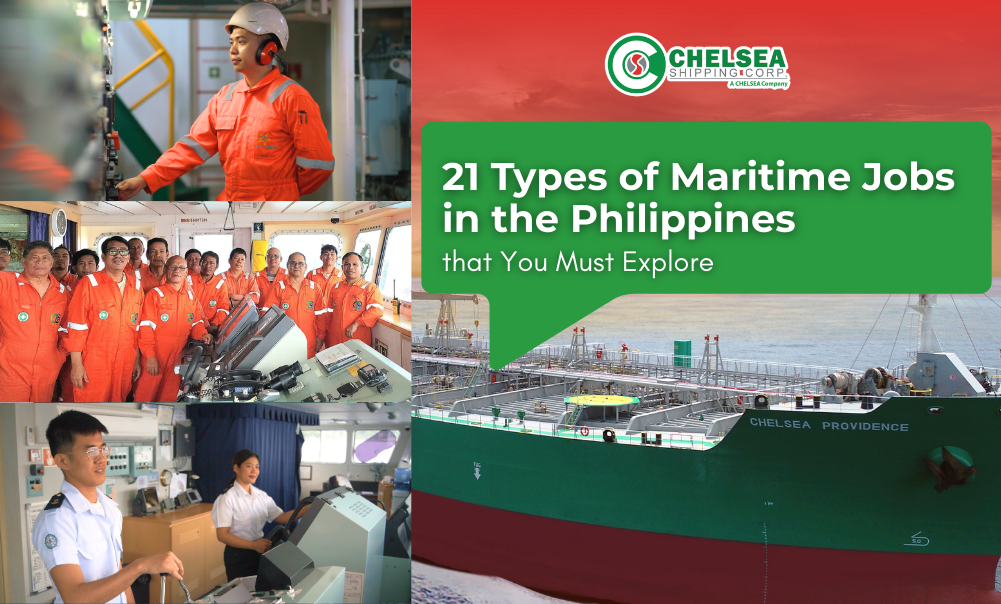
Are you figuring out what types of maritime jobs best suit you? The maritime industry offers a wide range of career opportunities. Cargo ships, ferries, tugboats, and the like actually require diverse technical, navigational, logistics, and other support roles. Entry-level roles like apprentices can progress into more skilled and knowledgeable careers in the future. The Philippines is already known as a top provider of seafarers globally, and in recent years, more training and career sustainability opportunities have emerged within various sub-areas of the maritime industry. If you’re wondering if your knowledge and skills are fit for this sector, look no further. This list combines the most valuable types of maritime jobs in cargo shipping, ferry operations, tugboats, port operations, and ship management. 21 Types of Maritime Jobs to Grow Your Career in the Philippines Deck and Navigation Careers An able seaman (AB) is an experienced, official member of the ship deck. The AB performs critical duties like helmsmanship, deck machine operation, mooring, and watchstanding. This role is usually obtained along with specialized certifications, and after 2 or more years of experience. The second mate provides navigational and voyage planning support to the Chief Officer. They plan safe routes, maintain bridge equipment, and update charts and other publications. In most cases, they are also responsible for medical duties. The first mate or second-in-command directly assists the Ship Master or Captain. They oversee the deck operations, manage the crew, and take charge of navigational, cargo, and safety duties. Piloting is one of the essential maritime careers, especially when navigating narrow, challenging, or congested waterways. They are highly skilled in guiding ships through these channels. Entry-Level Maritime Jobs Apprenticeship is usually where seafarers start building their careers. This is a hands-on experience in an actual maritime job and work environment. Most shipping companies in the Philippines open apprenticeship programs to aspiring young professionals, equipping them with the necessary knowledge to succeed in the industry. The deckhand is an entry-level role in the crew, which specifically focuses on general tasks on a ship deck. It involves hands-on assistance with cargo, cleaning, mooring, and maintaining safety onboard the vessel. Engineering and Technical Roles Engineering graduates can enter maritime jobs that involve the operation, repair, and maintenance of the ship’s mechanical and electrical facilities. It is important for a ship’s systems to run smoothly and efficiently according to domestic and international safety standards. The ETO is a senior or chief member of the ship management team. These types of maritime jobs require specialized skills in repairing and maintaining all kinds of automation and electrical systems on board. It involves care for the navigational, fuel, electrical, and power systems. The maintenance of ship engines and other onboard systems is the primary responsibility of the marine mechanic. They ensure that a vessel is performing safely before, during, and after each voyage. Hospitality and Housekeeping Whether a cargo ship or ferry, cooks are essential to keep the crew healthy and well-fed. They are in charge of meal planning, prep, and managing the kitchen staff. They also manage the galley. A purser handles the main administrative and financial tasks on board. Examples include ticketing, ship inventory, documentation, and even crew payroll. They are also the front desk manager. Port-Based and Shore-Based Roles Coordinating all maritime jobs and activities within a harbor is no easy task. The Harbor Master manages the overall regulations, safety, and traffic within a harbor. They are also authorized to enforce various relevant laws. The port captain focuses on the key operations in the port. They liaise between shipping companies and port authorities, coordinate vessel schedules, cargo loading, and other commercial shipping concerns. Port agents assist the port captain with tasks of a similar nature, usually performing hands-on management of vessel schedules, documentation, maritime and customs clearances, and ship maintenance. Stevedores or longshoremen are maritime workers responsible for cargo shipping. They load, unload, and handle cargoes at the port. They also operate heavy machinery like gantry cranes and forklifts. Logistics and Cargo Ship Jobs These types of shipping jobs are focused on day-to-day shipping documentation, movement, and coordination of cargo. They are essential roles for shipping companies, particularly for coordinating shipments and maintaining relationships between port links. Ship schedules, movements, and conditions are typically monitored by vessel operations managers. They also engage in high-level route and schedule planning for ports and shipping companies. Specialized Roles Safety experts are necessary for smooth voyages. Maritime Safety Officers perform risk analysis and mitigation, compliance management, and conduct safety training for all crew members and passengers. Tugs are specialized vessels with diverse assistive and salvage functions. Tugboat Captains are highly skilled in navigating, maneuvering, and docking operations along with large vessels. Tug boat maritime jobs require a high level of technical knowledge, particularly with its powerful propulsion systems. A tugboat engineer maintains, repairs, and checks all tugs systems to prevent operational errors. Bunkering encompasses various fuel-related tasks on a ship. These cargo ship jobs are essential for the overall performance of the ship, as bunkering operators manage challenging fuel transfers from barge to vessel. They also implement strict documentation and safety compliance for hazardous material handling. Hardworking professionals can definitely gain worthwhile, insightful experiences when exploring different types of maritime jobs. Whether you come from a logistics, administrative, seafarer, or even hospitality background, the maritime industry welcomes all sorts of individuals who wish to further their land-based or sea-based career. ALSO READ: Fool-Proof Guide on How to Ship Heavy Equipment in The Philippines Where to Apply for Maritime Jobs in the Philippines? If you are looking for a fulfilling maritime career in Manila, Cebu, or Davao, Chelsea Shipping Corp. provides a promising future for aspiring seafarers. We are a maritime shipping company that offers ship management, crewing, vessel chartering, cargo shipping, and tug boats services to diverse clientele. Chelsea Shipping, Chelsea Logistics, and other subsidiaries also periodically open an apprenticeship program that hones the skills of entry-level professionals and on-the-job training. Interested? Contact us here to learn more.
A Comprehensive Look at Vessel Chartering in the Philippines
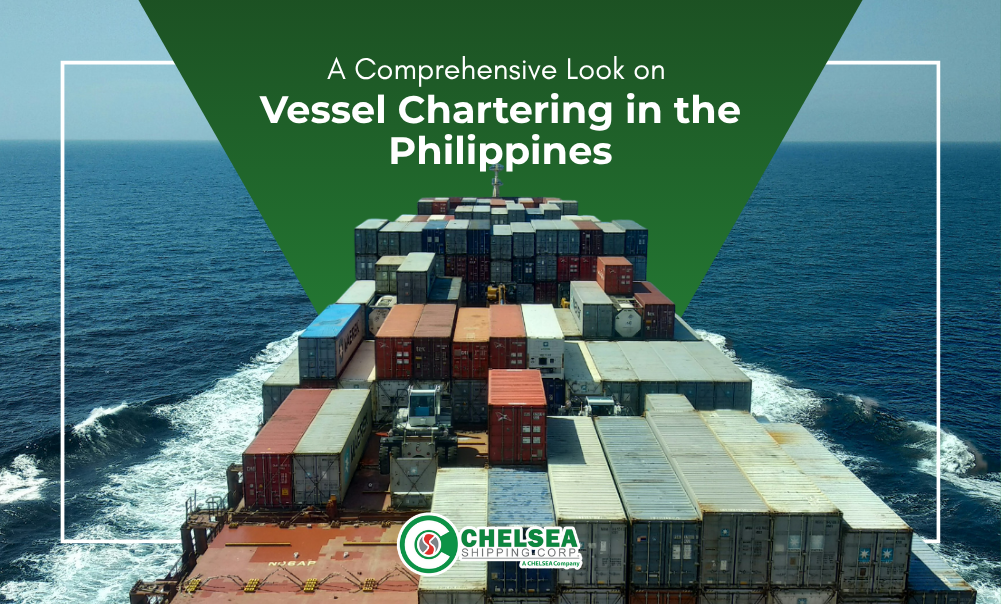
Vessel chartering is a common logistics service for businesses that wish to transport cargo or passengers. This makes it possible for them to conduct logistics even without owning a ship. The process involves various parties, like the ship owner, charterer, and a ship broker. It is a practical solution offered by ship chartering companies to allow individuals and businesses to maintain continuous operations across different ports of call. Companies that frequently conduct inter-island trade should look into sea chartering in the Philippines. Not only does it minimize the risks of owning a fleet, but it also gives you vast options and financial flexibility for various cargo types. Discover the in-depth chartering process through this handy guide. A Business Owner’s Overview of Ship Chartering in the Philippines What Is Vessel Chartering? It is the practice of hiring or renting a vessel from a ship owner. This can be any type of ship, from passenger, cargo, dry and liquid bulk carriers, to RoRo. Both sides agree upon a specific purpose, time period, cost, and set of responsibilities, which are defined in a document called the charter party. There are three parties involved in the charter party: 3 Kinds of Ship Chartering Voyage charter is the most popular type of vessel chartering. It leases both the vessel and its crew for a particular voyage from a load port and discharge port. Its costs are calculated on a per-ton or lump-sum basis, as agreed upon by both the ship owner and charterer. A laytime, or a specific period for unloading cargo, is followed for this type. Exceeding the laytime will entail additional charges or demurrage to the charter party, while saving laytime will reward the charterer with despatch. Voyage charter is best for one-time and infrequent shipments. Time charter is the type of sea chartering that leases a vessel for a certain time period. A charterer is in charge of the voyage schedules, routes, and cargo, while ship owners retain the overall ship management. The charterer also pays for fuel, port charges, and the daily chartering fees. A time charter works well for long-term shipping operations. As the name suggests, bareboat charters allow charterers to rent a ship, as well as gain complete control of the vessel. All legal and financial responsibilities will be passed to the charterer. Commercial demise chartering may serve as a basis for hire-purchase for shipowners/builders to charterers. In most cases, shipowners can lease a certain vessel while retaining control of technical management and commercial operations. The charterer is then left in charge of all the rest. This type of chartering is ideal for long-term business agreements, in which charterers have the necessary resources to fully control the vessel. Essential Terms for Ship Chartering The following terminologies are commonly used by ship chartering companies. These are likely to reflect on key documents like the Charter Party (C/P). Determining Who Pays for Chartering Costs Operating Expenses Operating and maintenance expenses are all paid for by the owner in time and voyage charters. Charterers pay for this in bareboat charters. Periodic Expenses Periodic maintenance and inspections are paid by the owner for time and voyage charters. The financial responsibility falls on the charterer under a bareboat charter. Voyage Expenses Expenses for towage, ports, piloting, fuel, and other auxiliary expenses that come with voyage routes are the responsibility of charterers under time and bareboat charters. The ship owner pays for these only under a voyage charter. Cargo Expenses The costs of cargo loading, unloading, and overall handling is covered by the charterer under time and bareboat charters. Voyage charters tie this responsibility to the ship owner. How Your Business Can Do Ship Chartering Businesses must identify their own cargo types, volume, and voyage routes before engaging in vessel chartering. Calculate estimated costs, which will enable you to budget accordingly for the type of ship you plan on renting. Market research should also be done to monitor vessel rates and availability. Once you have outlined your cargo requirements, connect with shipping companies to find the right vessel. They will have a specific inventory that is organized according to each ship’s available capacity or port calls. Ship owners and shipbrokers can both provide valuable information regarding the best kind of vessel to fit your needs. This is the most crucial step of vessel chartering. It involves thorough communication between the charterer and ship owner. This is also the stage in which each risk and financial responsibility is determined. Every form of correspondence between the parties must be recorded. They must be kept until the charter has ended and all outstanding matters are settled. During the pre-loading stage, the vessel is surveyed, and mandatory checks are conducted. This is done to ensure that cargo can be carried safely. A ship owner must submit a Notice of Readiness (NOR) to the charterer once the vessel is prepared. Laytime is the time allotted for a charterer to load or unload cargo without additional costs. This period is stipulated in the charterparty. It begins once the NOR is submitted and ends upon completing loading or unloading. The ship begins its voyage and sails to the destination port. It can make multiple stops as declared in a ship’s documents. Once it reaches its destination, cargo is unloaded within the agreed laytime. The ship is then returned or redelivered to the owner after the charter ends. In case of any disputes or breach of contract, both parties must settle the matters through the proper legal procedure. Ship chartering offers vast opportunities for flexible, cost-effective shipping. It prevents businesses from incurring the sudden costs of owning a ship and allows them to build meaningful partnerships with reliable third-party logistics companies. ALSO READ: Key Aspects of Marine Fleet Management that Every Ship Owner Must Know Chelsea Shipping Corp. provides a broad range of maritime logistics services in the Philippines. As we uphold our position as the country’s premier tanker cargo shipper, we also provide adaptable and technologically advanced solutions for individuals and
Fool-Proof Guide on How to Ship Heavy Equipment in The Philippines
The logistics of industrial equipment are a part of construction and development companies’ biggest dilemmas. Projects take place in diverse locations scattered all over the Philippines. This makes it challenging for them to move equipment between islands and various terrains. Fortunately, heavy equipment shipping companies now make inter-island shipping easier. Services like cargo container shipping, vessel chartering, and out-of-gauge (OOG) cargo shipping can be tailored to carry heavy equipment. Businesses can benefit from a broad range of heavy equipment shipping options. Find out how to ship heavy equipment and keep your operations one step ahead. A Businessman’s Guide to Heavy Equipment Shipping in the Philippines Types of Heavy Equipment The construction industry engages in many heavy equipment shipping activities. This involves machinery like cranes, dump trucks, bulldozers, boring machines, and excavators. Land transportation uses a variety of wheeled heavy equipment, such as trucks and trailers. These can contain general dry, wheeled, or project cargo. Logistics material handling requires the use of forklifts, conveyor belts, packing, and palletizing machinery. Tractors, tillers, ploughs, field vehicles, and harvesters can be transported by sea shipping and directly rolled off the vessel. 3 Heavy Equipment Shipping Methods Heavy equipment shipping companies in the Philippines typically offer RoRo shipping as their primary means of transporting wheeled machinery. These cargoes can be loaded onto the car hold of a RoRo vessel along with other vehicles. Upon reaching the destination port, this can then be ‘rolled off’ the hold. From there, heavy equipment can either be driven or brought onto a trailer to reach its final destination. Standard shipping containers can also be used for heavy equipment. If your industrial machinery can fit inside a standard 20 ft or 40 ft container, it can be secured with the appropriate lashing and strapping methods. This way, you can prevent different units from shifting around and incurring damage. Out-of-gauge (OOG) or project cargo will require open containers or flat racks. Although this shipping method may entail higher expenses, it is a practical solution for businesses or individuals that require multiple shipments on the same voyage. Jib and gantry cranes are designed to lift large, bulky machinery and standard containers onto ship holds. It is one of the economical ways to ship heavy equipment, as cranes can manipulate cargo to fit efficiently within the hold. This can be done as long as a port or ship has the proper facilities to perform lifting. Information Required for Heavy Equipment Shipping When transporting heavy equipment, shipping companies may require specific information about your machinery. This will be used for handling, tracking, and ensuring that it is delivered safely and securely. Before booking a shipment, prepare the following information: 5 Tips on How to Ship Heavy Equipment Efficiently It is necessary to assess the chosen route along which your heavy equipment will be shipped. For ease and convenience, shipping companies may already have specific routes and predetermined schedules. This is also necessary for businesses to find out the nearest port of call to their cargo destination. Heavy equipment shipping rates vary depending on each unit’s dimensions, weight, and handling method. Costs are also affected by insurance and permits you are required to present before shipment. Long-haul shipments, such as Manila to Mindanao routes, may entail higher transport fees and possibly extra precautions during lashing and securing. Depending on the type, dimensions, and weight of your heavy equipment, you must identify which shipping method is best for you. Your chosen shipping partner must have the ability to provide various resources, such as: Just like vehicles, heavy machinery must be loaded and secured to prevent shifting around in transit. For enhanced safety, extra fixtures, such as lashes, straps, or braces, must be added to the unit. Shipping companies in the Philippines deploy knowledgeable and highly-skilled professionals to ensure a secure, controlled environment for shipping heavy equipment. Specialized equipment will require the right insurance, proper documentation, and permits. It is necessary to comply with regulatory requirements to avoid costly delays in shipment. This step is also crucial to ensure legal protection for your business. A reliable shipping company is equipped with the expertise to procure accurate documents needed for voyages. Heavy equipment shipping is essential for various industries. It helps them overcome barriers to industrial and agricultural development, as well as manage the unique challenges of transporting oversized, bulky items. ALSO READ: 10 Reasons Philippine Shipping Companies Impact the Economy Nothing is impossible when you move heavy equipment with Trans-Asia Shipping Lines, Inc. We provide safe and secure logistics solutions for demanding transportation jobs. Our cargo and freighter vessels are highly capable of carrying various construction equipment, agricultural tools, and industrial machinery. Get in touch with us today and let us know how we can help you.