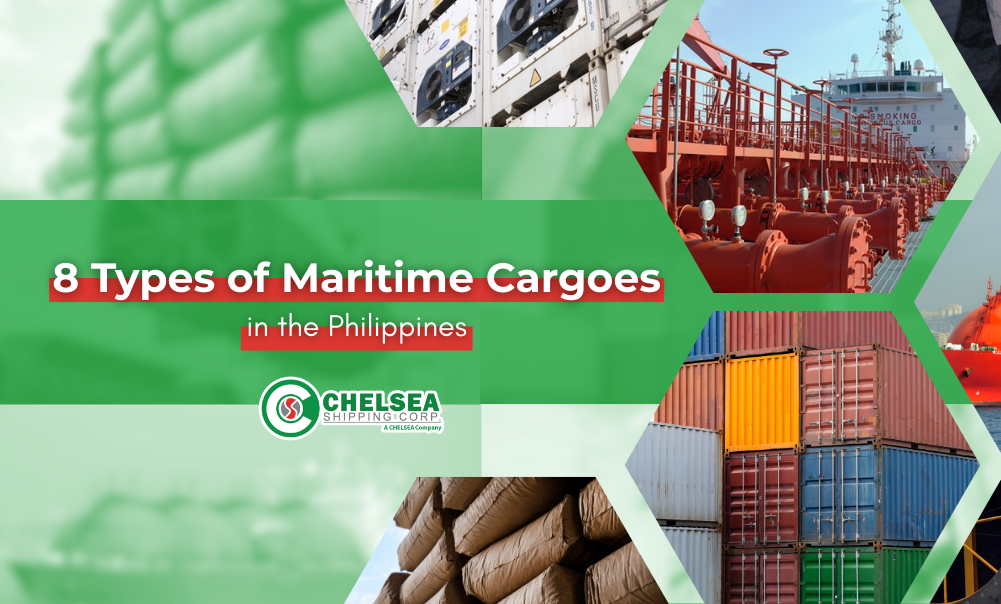
8 Types of Maritime Cargoes in the Philippines
- blog
- September 23, 2026
The shipping industry caters to diverse types of maritime cargo. Consumer goods, raw materials, and machinery are just some of the typical products that are expertly handled by shipping companies in the Philippines. The various types of maritime transportation across domestic waters is a testament to the critical role it plays in a thriving economy. This way, businesses can also maintain a resilient supply chain, complete with sea shipping solutions for all kinds of goods.
If you’re looking to distribute your goods locally, it helps to be aware of the most common types of maritime cargo traded domestically. This knowledge will guide you in finding the best sea shipping solution for your business.
8 Types of Maritime Cargo that Your Business Can Ship
- General Cargo
General cargo encompasses a broad variety of consumer and commercial goods. They are transported in a small, packaged unit, such as barrels, boxes, crates, or pallets. Due to its nature, this maritime cargo can be shipped using standard cargo vessels, RoRo vessels, and even containers. Shipping companies typically consolidate small batches of general cargo from different clients to load onto a ship.
These are key examples of cargo that fall under the general category:
- Agricultural Goods
- Clothes
- Construction Materials
- Electronic Goods
- Food and Beverages
- Furniture
- Household Items
- Machinery
- Pharmaceutical Products
- Containerized Cargo
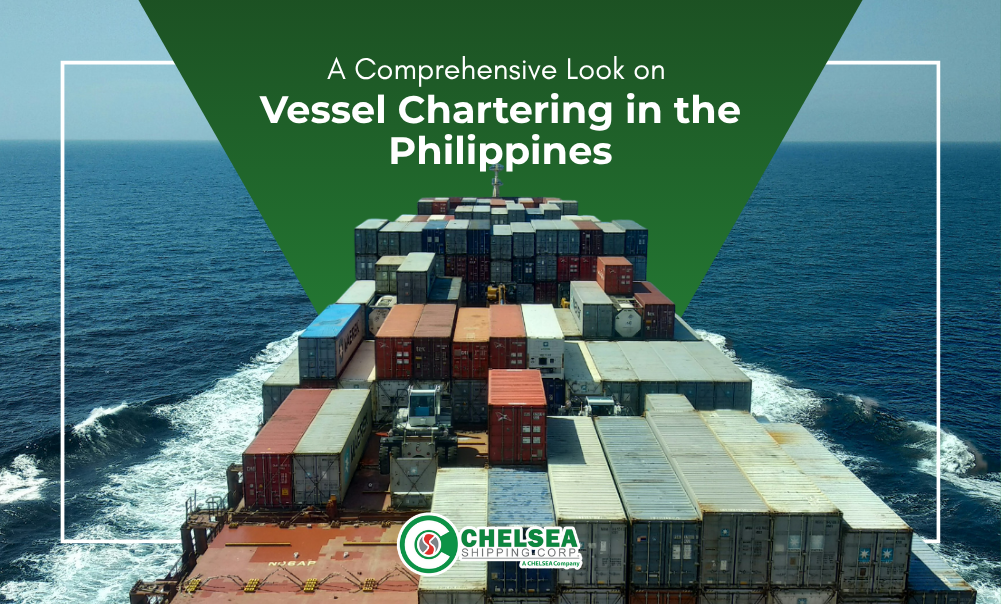
Maritime container transport is a versatile solution for moving general cargo, refrigerated, and even automobiles. The standard size of containers are 10 ft, 20 ft, and 40 ft., and may be tailored to your shipment needs. There are two ways in which these types of maritime cargo are loaded:
- Full Container Load (FCL) shipment – One client/shipper pays for and occupies an entire container. It is suitable for large volumes of cargo. For instance, a beverage company in Luzon shipping their products to Mindanao.
- Less Than Container Load (LCL) shipment – Different goods are consolidated from multiple clients/shippers into one container. Pay only for the space you occupy. It is recommended for infrequent, low-priority shipments. An example would be a Manila-based clothing company sending off their summer collection to a small branch in Cebu.
- Roll-on / Roll-off Cargo (RoRo)
RoRo cargo is one of the common types of maritime transportation in the Philippines. Most RoRo vessels in the country accommodate both vehicles and packaged cargo, along with passenger transport. It is a vital operation for inter-island connectivity. Cars, trucks, buses, and even motorcycles can be driven on and off the ship. Semi-trailers, too, can be towed on and off the vessel. In some cases, non-containerized cargo can be loaded as well, such as large industrial machinery.
- Liquid Bulk Cargo
The term ‘bulk cargo’ refers to loose, unpackaged cargo. Liquid bulk is one of the main types of maritime cargo under this class. It encompasses petroleum products, liquefied natural gas (LNG), chemicals, and oils. These cargo are transported via tankers. These are specialized vessels designed to carry delicate liquid bulk cargo, equipped with pumps and complex pipelines through which the product is fed and circulated.
- Dry Bulk Cargo
Dry bulk cargo refers mainly to solid raw materials, including cement, coal, grains, ore, and sand. These types of sea cargo are transported on board a dry bulk carrier, and moved using grab cranes, conveyor belts, or suction machines. It is the backbone of the domestic economy, supplying essential components for construction, agriculture, manufacturing, and much more.
- Break Bulk
Most shipping companies in the Philippines also accommodate break bulk shipments. This refers to loose goods that cannot fit precisely into standard packaging units or poured into a hold. Maritime cargo like industrial machinery, construction materials, or vehicles fall into this category. They are loaded individually onto a ship. RoRo is a classic example of break bulk.
- Out of Gauge Cargo
Unlike break bulk, OOG is a kind of cargo that needs special containerization and handling. It is usually very large and oversized, and generally exceeds the normal limits of standard containers, and may require the use of modified containers, like open-top, flatbeds, or platforms. A shipping company in the Philippines typically requires the total weight of OOG cargo, its dimensions, photos, and designated lifting points to efficiently load, secure, and unload the item.
- Specialized Cargo
Other types of maritime cargo require even more precise and skilled handling. Cattle or other animals, for example, need to be loaded onto livestock carriers equipped with proper waters, feeders, and ventilation units. Hazardous and non-hazardous liquid chemicals are transported on stainless steel tanks fitted with security and monitoring features to ensure safety at sea. Project cargo, meanwhile, involves extensive, expert handling to load complex industrial components on a vessel.
The wide variety of maritime cargo spreads across diverse industries. Agriculture, e-commerce, construction, manufacturing, and retail sectors can seamlessly transport products and materials with the expertise of a reliable logistics company.
ALSO READ: How to Optimize Fleet Performance and Save More
Chelsea Shipping Corp. provides comprehensive shipping solutions in the Philippines, including tankers, tug boats, maritime container transport, ship chartering, crewing and ship management, and cargo handling. With over a decade of operating essential and auxiliary maritime services, our experts are dedicated to giving you better shipping, better logistics, and better life. Let’s connect today.