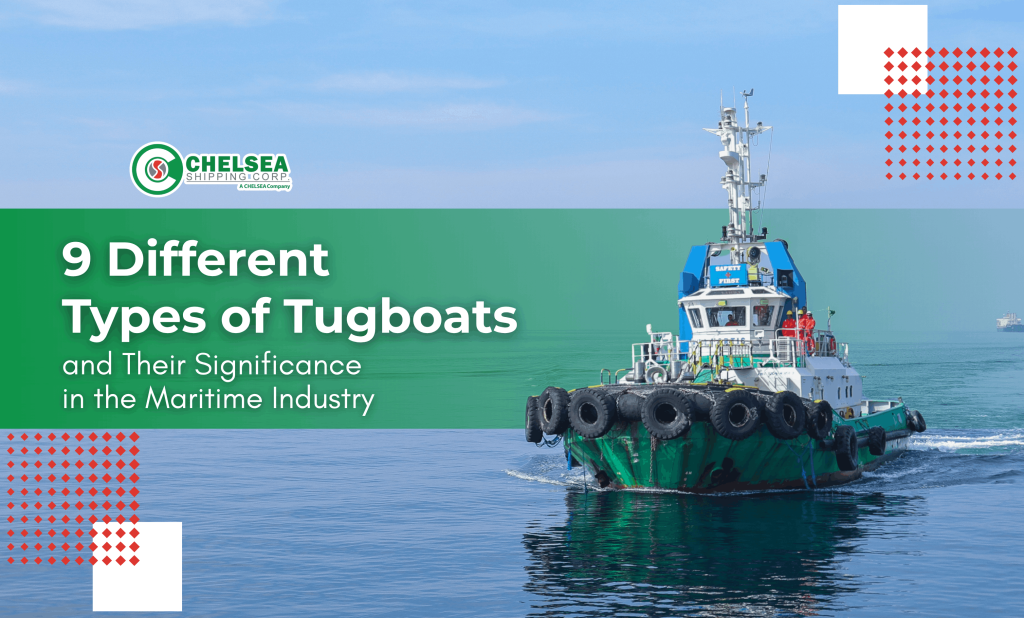
9 Different Types of Tugboats and Their Significance in the Maritime Industry
- blog
- October 21, 2026
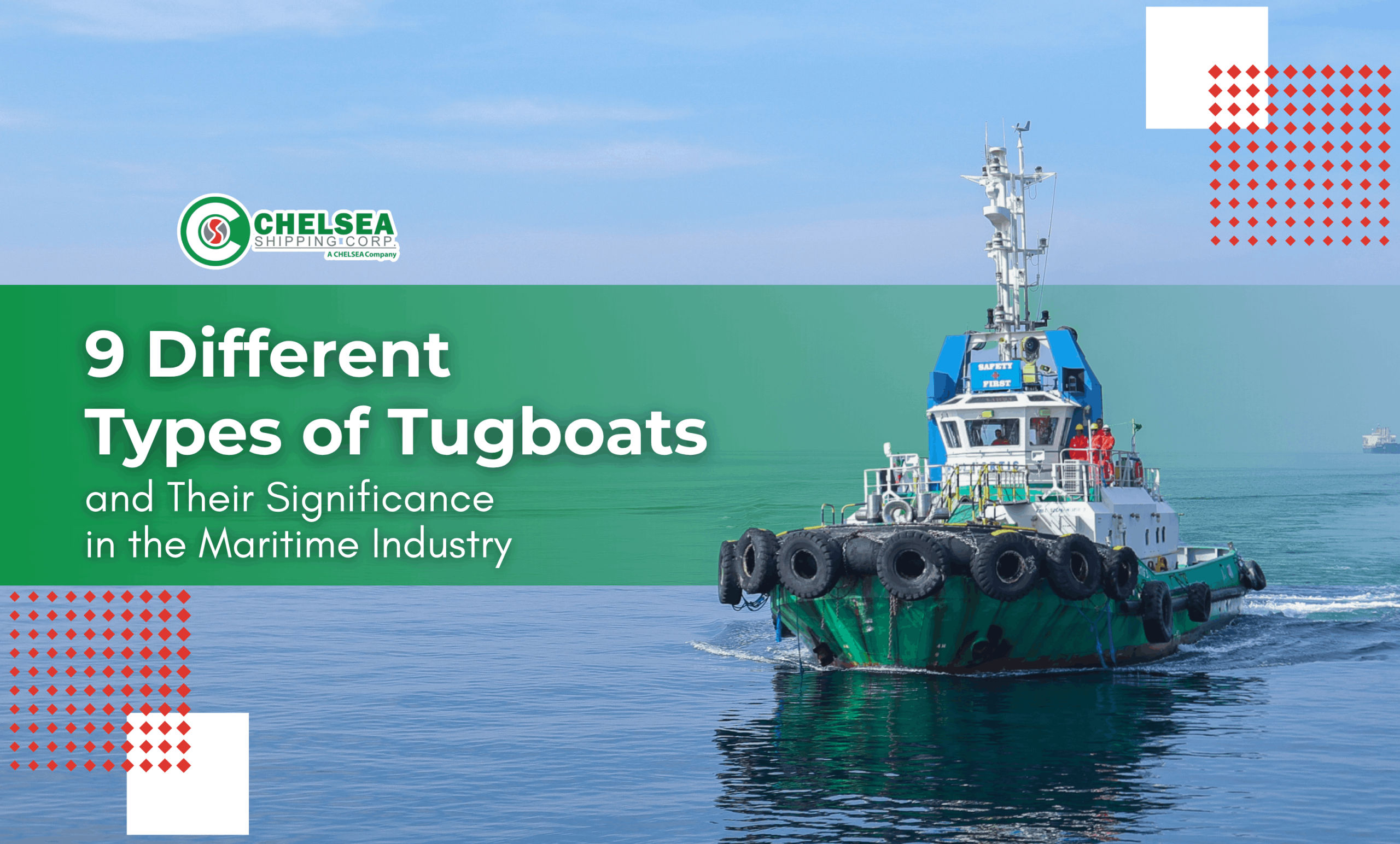
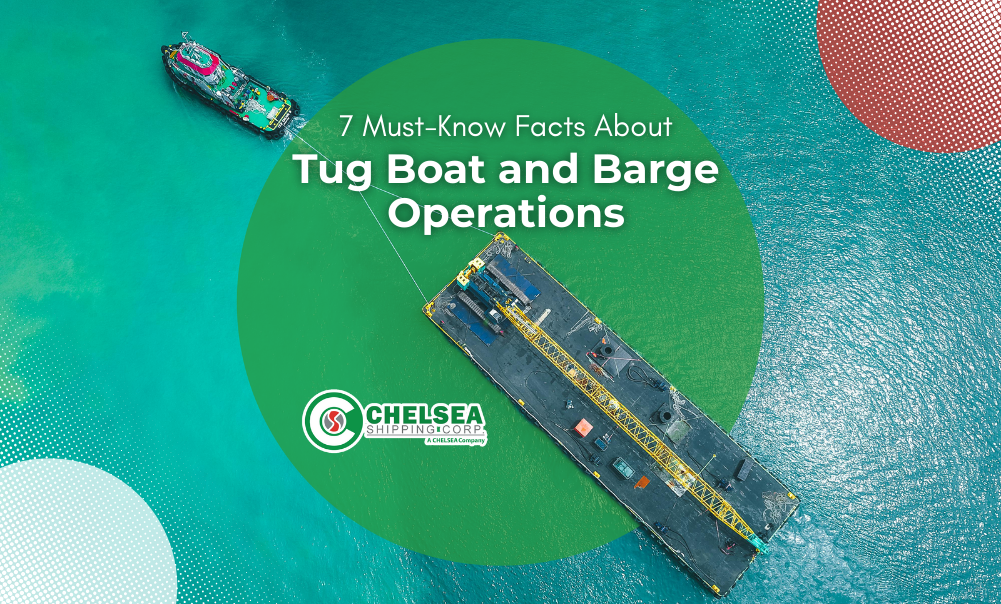
Most people are familiar with tug boats that push or pull a vessel at sea or at a harbor. While it’s true that this is their primary purpose, different types of tug boats exist for specified functions. For instance, harbor tugboats assist vessels when berthing at the harbor, while salvage tugboats perform broader rescue operations in open waters. They can also be classified according to their design or propulsion system, such as conventional, tractor, or ASD tugs.
Whether at the port or ocean-going, these tugs provide the necessary support and protection for other maritime vessels. This article outlines the diverse types of tugboats and their exceptional functions.
9 Types of Tugboats and Their Unique Maritime Functions
Different Types of Tug Boats According to Function
- Harbor Tugboats
The main function of harbor tugboats is to assist vessels during docking and berthing. They are smaller in size, allowing them to help ships pass through narrower waterways. A harbor tug is usually multi-functional, operating various assistance and escort tasks around the port, providing a safe and non-congested environment for present vessels.
- Ocean-Going Tugboats
These types of tugboats have a larger build, more powerful bollard pull, fast sailing speed, and bigger fuel tanks. Ocean-going tugboats are generally built sturdier, fit for long-distance missions. They are essential for rescue operations, offshore towing, and platform positioning. You can find fire-fighting equipment, very long towing cables, portable water pumps, tools, and even heavy-duty diving gear.
- Coastal Tugboats
Coastal tugboats are the in-between of harbor and ocean-going tugs. They operate outside the port, but remain along the coastline, assisting vessels and barges. It can also support coastal communities by supplying goods, raw materials, and other necessities that would be difficult for smaller vessels to deliver. Typically, coastal tugs are medium to large sized, with crew space and a larger tank capacity than harbor tugs.
- Salvage Tugboats
Salvage tugs are emergency-ready, particularly for ship rescue. They can be large, multifunctional ocean-going vessels or solely dedicated to salvage missions. Crew members must be skilled in safety and disaster response, as well as be fitted with updated safety equipment. This enables them to respond swiftly to distress situations and keep lives safe at sea. Their responses include marine and underwater salvage, wreck removal, oil spills, fire fighting, and stopping ships from sinking.
- Firefighting Tugboats
Oil, gas, and chemical tankers are most at risk of fires at sea. Among the different types of tug boats, firefighting tugs specialize in firefighting operations. These tugs are equipped with high-pressure water cannons that can extinguish fires from large seagoing vessels at a distance. They can also control fires that occur at ports and terminals.
- Escort Tugboats
Vessels carrying oil, gas, chemicals, hazardous materials, and high-value cargo must be escorted by tugboats. In this regard, the high-power escort tugs are deployed to sail alongside the vessel. The tug usually only engages with the vessel in failure or when approaching a harbor.
Types of Tugboats According to Design
- Conventional Tugboats
Conventional tugs require less maintenance than more complex designs, which is why it is the easiest and most affordable to source among the different types of tugboats. Although it can serve a variety of assistive and push-pull functions at a harbor, it still lacks the maneuvering precision and power found in today’s sophisticated tugboats.
- Tractor Tugboats
The propulsion unit and power of a tractor tug allows it to deliver multidirectional maneuvering. It can push and pull, reposition itself, and travel at faster speeds. Its improved power comes from its propulsion system, which is either cycloidal or z-drive. The towing point is usually positioned near the bow or front of the vessel, making it fit for pulling.
- ASD Tug Boats
The Azimuthal Stern Drive (ASD) propulsion system has two rotating azimuth thrusters at the stern, which can operate independently and both rotate up to 360 degrees. This quality makes these types of tugboats ideal for open waters, as well as pushing or pulling medium to large vessels. It simplifies maneuvering ships in any direction, yet its operation requires skill and strength.
Each of the specialized tugs are designed to address various areas of maritime shipping that otherwise would be difficult for other vessels to perform. These types of tugboats remove complications from waterways, maintaining a well-managed area of operations for ships.
ALSO READ: Why You Need a Tugboat Shipping Company for Harbour Towage
Chelsea Shipping Corp. offers robust tugboat services in the Philippines. Our subsidiaries, Fortis Tugs and Davao Gulf Marine Services, provide marine towage solutions to domestic and foreign vessels plying the District Port of Davao and various key ports in the Philippines. It is our objective and commitment to deliver safe, secure, and emergency-ready responses to all vessels. Send your inquiries here and get a quote today!