10 Reasons Philippine Shipping Companies Impact the Economy
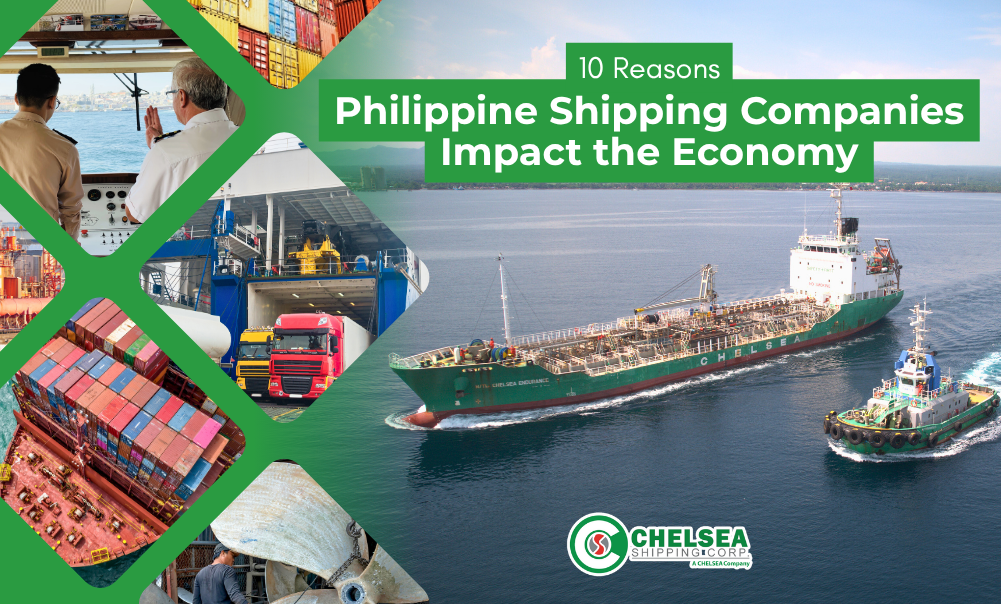
The unparalleled role of Philippine shipping companies transcends transportation. They empower domestic trade and economy, supporting the growth of various industries in key regional hubs, and above all, these companies provide valuable training and career opportunities for sea-based professions. Shipping companies create vast prospects across various businesses and industries that utilize maritime services, effectively propelling the economy towards bigger success. Business owners, especially those looking to broaden their market scope, should be aware of the multitude of benefits this can bring. Discover how you can leverage the capabilities of a reputable cargo shipping company in the Philippines. 10 Ways Philippine Shipping Companies Grow the Local Economy Philippine shipping companies often contract with foreign firms for the use of shipyards for repairs, building, and maintenance. According to a study by the Organisation for Economic Co-operation and Development (OECD), the Philippines ranked in 2022 as the fourth-largest global shipbuilding nation. The country remains a key player among the ASEAN countries, possessing a strong potential to further expand the shipbuilding and ship repair (SBSR) sector. Shipping companies advance the skills of novice maritime workers through apprenticeships and onboard training. These companies provide hands-on experience for cadets as an application of their classroom learning. Apprenticeship programs teach diverse skills in maritime engineering, navigation, management, and safety, enabling cadets to enhance their career roadmap. It is widely known that the Philippines is one of the top sources for maritime manpower, supplying skilled seafarers to man the global fleet. In 2025, the monthly average of sea-based worker deployments reached 57,294, higher than the 2024 average of 45,778. Meanwhile, the MARINA reported an estimate of 5,506 issued Certificates of Marine Profession for domestic seafarers in 2023, providing a steady stream of highly trained professionals to the domestic shipping industry. The supply chain is the backbone of economic growth, and its movement is facilitated seamlessly by Philippine shipping companies. By offering competitive rates for shipments and flexible cargo shipping services, distributors, suppliers, and manufacturers alike can experience seamless expansion to different parts of the country. To name some of the industries that benefit from domestic cargo shipping: Most versatile cargo solutions are considered more affordable than air or land transport. Fuel costs are relatively cheaper for bulk maritime transport rather than express air cargo. Additionally, sea shipping enables intermodal transport, which seamlessly integrates trucks and trailers with roll-on/roll-off vessels. It also allows for other cost-reduction strategies like freight consolidation, route optimization, and logistics management. The blue economy focuses on the sustainable use of marine resources to boost the economy, support local livelihood, and promote environmental protection. More and more Philippine shipping companies are adopting green energy alternatives, such as low-carbon fuels and biofuels. Efforts are also underway to reduce carbon emissions across various sea shipping activities. Vessel modernization also enables the growth of an energy-efficient fleet. Maritime shipping is the dominant mode of transport for domestic trade, accounting for 52.1% of commodities in Q2 of 2025. This illustrates the value of services offered by shipping companies in the Philippines, which provide more efficient movement of liquid bulk, loose, and containerized cargo year-round. Its flexible solutions are what make shipping companies desirable for frequent and large-quantity shipments in the country. A cargo shipping company in the Philippines offers a diversified range of solutions for small and medium enterprises (SMEs) and large corporations. Shipping services such as express cargo and LCL can accommodate smaller volumes of cargo at budget-friendly rates, allowing a wider market reach for SMEs at a fraction of the cost. Meanwhile, large volumes of cargo can be shipped through FCL (10ft, 20ft, and 40ft containers), chartered liquid and bulk carriers, and container cargo vessels. Liner and tramp services are widely used in domestic maritime trade. The SBSR sector enabled the development of bulk carriers and a diverse range of cargo vessels. Philippine shipping companies also acquire imported vessels to expand the domestic fleet, especially for cargo carriers and passenger/RoRo ferries. Following fleet expansion is the addition of new shipping routes covering more areas along the country’s nautical highways. This encourages wider, better inter-island linkages for various shipping services. Philippine shipping companies maintain strong ties with international maritime trading partners, such as the United States, China, Japan, South Korea, and other Southeast Asian countries like Singapore, Thailand, Vietnam, and Malaysia. Due to the vast connections it creates, this network is valuable for international trade, and subsequently, the domestic distribution of globally-produced goods. It is also a critical avenue for the export of locally-produced commodities to supply the global economy. How to Choose the Best Cargo Shipping Company in the Philippines The substantial value of Philippine shipping companies can be seen in their sweeping effects on the supply chain, livelihood, skills training, trade, and ship production. As the maritime industry advances, businesses can expect a steadier local economic growth and market development. ALSO READ: Key Aspects of Marine Fleet Management that Every Ship Owner Must Know Expect high-quality sea-based services from one of the leading Philippine shipping companies. Chelsea Shipping Corp. provides versatile shipping solutions, such as cargo handling, vessel chartering, ship management, crewing and staffing, tanker services, tug boats, and more. Our ports of call span Luzon, the Visayas, and Mindanao, giving your business solid exposure to major economic hubs in the country. Discover what else we have to offer you. Send us a message today.
Key Aspects of Marine Fleet Management that Every Ship Owner Must Know
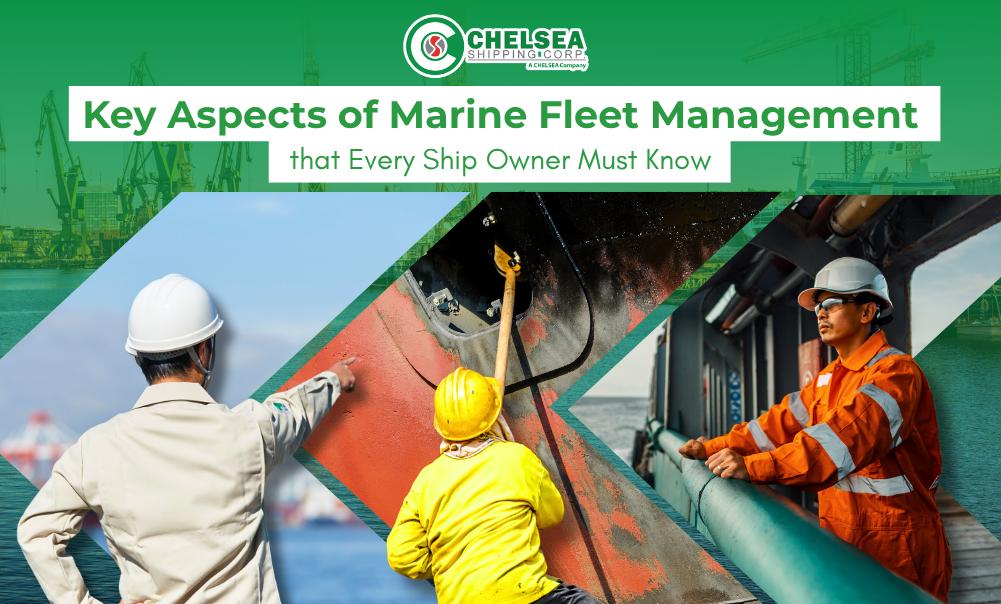
The key to keeping vessels functional and profitable is adherence to high ship maintenance standards. However, maintaining a vessel can be difficult for ship owners who do not have adequate knowledge or resources to tackle all areas of marine fleet management. Fortunately, there are companies that offer ship management in the Philippines, covering machine supervision, financial management, repair works, cargo handling, manpower, and more. When it comes to ship management in the Philippines, qualified industry professionals can perform all-around functions on a ship owner’s behalf, significantly reducing costs and making any process hassle-free. Find out the main aspects of marine fleet management you must give importance to. 7 Important Aspects of Ship Management in the Philippines to Prioritize Vessel management entails all sorts of monetary expenses, such as budgeting for fuel, operational costs, crewing payroll, insurance management, and investment strategies. A ship management company in the Philippines can apply its industry expertise in handling financial matters for shipowners. Through their purchasing power, they can help negotiate or attain lower rates for certification, classification, port charges, fuel, and consumables. One of the most important aspects of marine fleet management is maintaining vessel integrity. To ensure a ship can operate safely and smoothly, it must comply with rigorous international and domestic regulations. Ship management companies perform dry docking and follow a strategic schedule to ensure timely repair works. They also coordinate with an extensive network of suppliers, enabling them to obtain lower costs for supplies and services. In many cases, existing ships are converted or repurposed for modernization purposes. It can also be done to attach upgraded equipment and machinery, modify a ship’s capacity or appearance, or convert to a new vessel type. It extends the life span of a vessel and its length of service, making it a sustainable option for ship owners. Industry experts in ship management in the Philippines possess the right knowledge and skills to further develop and enhance existing vessels. Crewing and manning of a ship is another essential factor to successful marine fleet management. Manning agencies can help shipowners fulfill the recruitment and placement of highly-qualified seafarers. They are in charge of posting vacancies, gathering applications, endorsing candidates, and arranging for documentation and onboarding of crew. Depending on the contract or agreement, they can also handle payroll, training, certification, and overall welfare of the crew. This all-around function creates a clear communication channel between the crew and principal. A reputable shipping company has the ability to handle everything from cargo loading and unloading to cost management. They may even offer supplementary logistics services, such as container yard operations and warehousing. This aspect of maritime maintenance is often a core part of the commercial services offered by ship management in the Philippines, and is common in large-scale industries, such as the oil and gas, manufacturing, retail, and construction industries. Ship owners must procure bunker fuel and lubricant oil that is compatible with their vessel engine. Operators that are new to the field will benefit from the expertise of a fleet management service, which can perform bunker sampling, testing, and cost management in a safe environment. They also strategize the best approaches to procurement, compatibility checking, and environmental compliance. This is essential to ensure optimal engine performance and reduce operational downtime for a vessel. Protecting crew and vessels against unexpected events, accidents, damages, or loss is a non-negotiable aspect of fleet management. Lack of insurance coverage can create an additional burden for ship operators. Fortunately, ship management services typically provide comprehensive maritime insurance policies for their clients, as well as proactively manage all claims with ease, effectively simplifying the complex process on behalf of owners. Advantages of Outsourcing Ship Management in the Philippines Marine fleet management is no easy feat, but with the help of highly-skilled industry professionals, private ship owners can ensure their vessel’s top-notch condition at all times. A strategic partnership is guaranteed to bring cost-effective operations and continuous progress across all aspects of ship management. ALSO READ: The Importance of Ship Management for Businesses in the Philippines Chelsea Shipping Corp. provides all-around ship management services for different types of vessels, including technical supervision, crewing, cargo handling, and financial supervision. We also supply comprehensive tanker, tug, and chartering services across various industries in the Philippines. For inquiries and quotes, send us a message today.
Essential Facts About Bulk Cargo Carriers in the Philippines
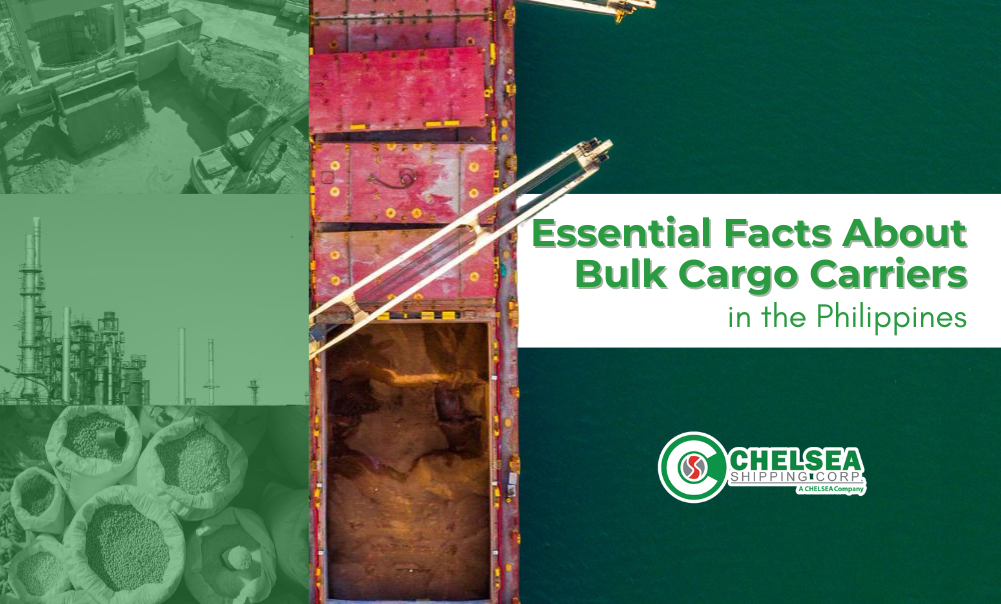
Merchant vessels, such as bulk cargo carriers, play a significant role in maritime trade. It enables the transport of valuable commodities used in everyday manufacturing and consumption. They also facilitate the smooth movement of dry and liquid bulk between key areas in the Philippines, ensuring a seamless flow of the supply chain. Several unique features and processes define the operations of a bulk cargo carrier. This informative guide discusses traits and facts about this versatile vessel. What is a Bulk Cargo Carrier? Bulk carriers are large maritime vessels that specialize in transporting high volumes of unpackaged goods. Loose cargo is loaded onto separate cargo holds, where it will be stored during the entire voyage. Some examples of dry bulk are cement, ore, sugar, and grains, while liquid cargo consists of petroleum, oil, and various chemicals. 7 Interesting Facts about Bulk Cargo Carriers in the Philippines 1. Bulk cargo vessels can transport a variety of cargo. Bulk cargo is usually split into two categories, dry and liquid bulk. Dry bulk refers to homogenous or non-homogenous major commodities such as coal, grains, and ore, which are transported on large bulk cargo carriers. It can also include minor dry bulk like large quantities of agricultural products, metal scraps, or sand, which are usually loaded on smaller cargo vessels. Liquid bulk cargo includes products like oil, crude oil, LNG, and LPG. Liquid carriers are often referred to as ‘tankers’, and due to the extreme demand for the oil and gas industry, varying sizes of ships exist to deliver to diverse trade routes. 2. There are at least 7 common size categories of bulk carriers Bulk cargo carriers come in a wide range of sizes, indicated by their capacity in dead weight tonnage (DWT). Each type of carrier is built according to the maximum waterway allowance of canals and seaports (e.g. Panama Canal, Cape of Good Hope, Cape of Horn). 3. Cargo carriers have special designs for every cargo type. Cargo operation consists of methods of special loading and unloading, tailored to different kinds of commodities. Vessels are fitted with various features like additional holds, hatches, cranes, and deck designs. 4. Bulk cargo shipping companies use specialized handling equipment. A cargo carrier in the Philippines operates using dedicated industrial equipment, either on board or in port. This usage ensures the correct handling of bulk cargo of all types and forms. Dry bulk cargo is handled using large structures like gantry cranes, hoppers, conveyor belts, grabs, and booms. Liquid bulk cargo is fed through pipelines by means of pumping equipment, which can be located in the tanker storage or the refinery. 5. Cargo carriers ship to major ports in the Philippines. For an archipelagic country, port operations are highly essential to domestic trade. A cargo carrier in the Philippines primarily serves major routes to domestic and international ports. Key ports include: 6. The largest oil tanker in the country has a capacity of 53 million liters. The M/T Chelsea Providence is the Philippines’ largest registered tanker vessel, spanning a length of 183.3 meters and can carry up to 53 million liters of petroleum products. This medium-range bulk cargo carrier was revealed by Chelsea Shipping Corp, which now operates it to support local oil companies and refineries. 7. It provides various business benefits to different industries. Large-scale domestic businesses, particularly those in the agriculture, energy, manufacturing, mining, and oil and gas industries, frequently make use of bulk cargo shipping companies. The diverse customized services allow them to facilitate B2B and B2C bulk shipment efficiently at cost-effective rates. Cargo carriers in the Philippines have long been fostering strong connections between suppliers of raw materials, manufacturers, and customers. Advantages of Coordinating with Bulk Cargo Companies in the Philippines Optimized Bulk Shipping Process Expect a quicker loading and unloading process when transporting unpackaged commodities through a bulk cargo vessel. The presence and use of specialized equipment allow for a streamlined business operation, which cuts down the time needed to haul cargo onboard. Reduced Packaging Costs Bulk shipping eliminates the need for tedious packaging of raw materials and loose commodities, thereby helping businesses trim down on packaging expenses. Cargo carriers in the Philippines also offer reduced rates for long-term clients and partners, which further promotes cost-effectiveness. Specialized Cargo Handling Procedures Because a bulk cargo vessel can support an array of products, it is crucial that a shipping company is well-versed in industry-recognized techniques in cargo handling. Cargo companies use state-of-the-art loading, lifting, and pumping equipment to load and discharge commodities. They can also provide customizable options for specific goods, upholding product integrity until it reaches its destination. Bulk cargo carrier services are highly versatile, particularly for large industries that distribute nationwide. By learning the different capacities, features, and services of dry and liquid bulk carriers, businesses can leverage this method of shipment to achieve optimal supply chain efficiency. ALSO READ: A Detailed Look into Cargo Vessel Ships Find a reliable partner in Chelsea Shipping Corp. We accommodate dry and liquid bulk cargo carrier services for diverse industries in the Philippines. Chelsea Shipping also specializes in the domestic transport of petroleum products, LNG, and LPG, empowering the local energy sector. View our services here and work with us today.
Why You Need a Tugboat Shipping Company for Harbour Towage
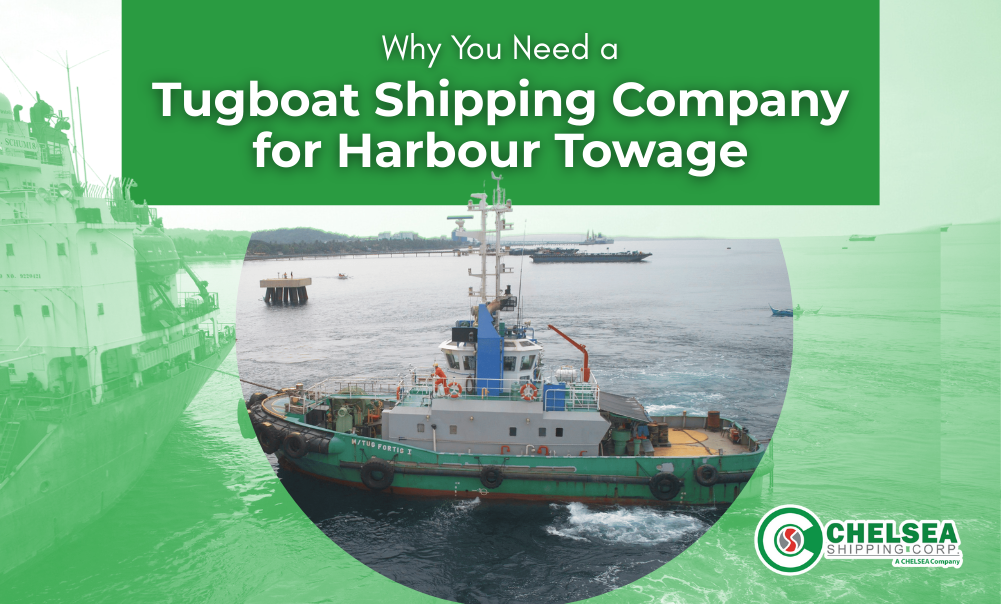
Port management comes with a multitude of challenges, such as maritime congestion and delays in departure and arrival. To curb these hurdles, it is advisable to consult a tugboat shipping company, which has a powerful fleet and the necessary expertise to help you achieve more streamlined operations. Tugs are versatile watercrafts that help push and pull large vessels, control traffic, and perform specialized activities at any port or harbour. It is crucial to consider which aspects of port management need optimizing. By enlisting the help of a tugboat shipping company, shipowners and port managers can further simplify the challenges they face. 6 Reasons Why A Tugboat Shipping Company Can Enhance Port Efficiency Tugboats are small water vessels equipped with multidirectional and azimuth thrusters, powerful engines and propulsion systems that enable them to move freely in the water. They are also lauded for their bollard pull, the strength in which they can tow large vessels across the water. Tugboat shipping companies provide this vital support system for every harbour, playing multiple roles that cover all aspects of port operations. Tugboats primarily help push or pull large vessels and maritime structures that lack the power to move in small distances. Despite their small size, tugs are engineered with robust propulsion systems that enable them to quickly move in multiple directions, and at the same time, easily exert force on heavy vessels. A tugboat company can provide diverse tugs for various purposes, such as ASD tugs for complex open-water operations or conventional tugs to assist in day-to-day port activities. Tugboats can help manage the flow of watercraft in congested harbours, especially when port operations are in high demand. They also perform harbour towage, guiding vessels to dock safely and effectively reducing crowding in smaller waterways. Tugboat operators make use of radio communication and loudspeakers to coordinate precise movement. One of the main functions of tugs is to facilitate the smooth berthing and mooring of vessels. This leads to faster loading and unloading of cargo, safe discharge of passengers, and secure storage of watercrafts at the harbour. Tugboat shipping company crew are adept at identifying the best ways to handle challenging waterways, harbours, and maritime traffic. Maritime accidents are caused by harsh weather conditions, equipment failure, or even human error. For emergencies like this, tugs serve as first responders and perform harbour towage, firefighting, pumping, rescue, and salvage. Tug crew members are highly competent at emergency response, and are prepared through thorough maritime safety training. This is also one of the reasons that tugboats are an essential part of coast guard and naval operations. Vessels that carry high-value or potentially harmful cargo like chemicals, oil, and gas may require the assistance of tugboats to guarantee secure transport. Another challenge of shipping such materials is the risk of leakage, spills, and damage caused by collision or grounding. Tugs escort these carriers at sea to safely deliver these items. As illustrated, tugs are engaged in many complicated activities, which require the crew to perform rigorous simulation drills. A reliable tugboat shipping company is devoted to providing fundamental training that enhances tug operators’ knowledge and skills. In this manner, they can carry out expert navigational techniques for various duties. Tugs are not only engaged in the primary function of towing but also in auxiliary roles in emergency response and maritime safety. Its collaborative operation is a unifying component that helps achieve efficient, innovative and secure port operations. ALSO READ: Essential Facts to Know About Tug Boats Chelsea Shipping Corp. provides essential tugs services in the Philippines, complete with crewing and ship management solutions from our skilled crew. We also help refine your maritime capacity through our chartering and cargo solutions. Connect with us today to get a quote.
A Detailed Look into Cargo Vessel Ships
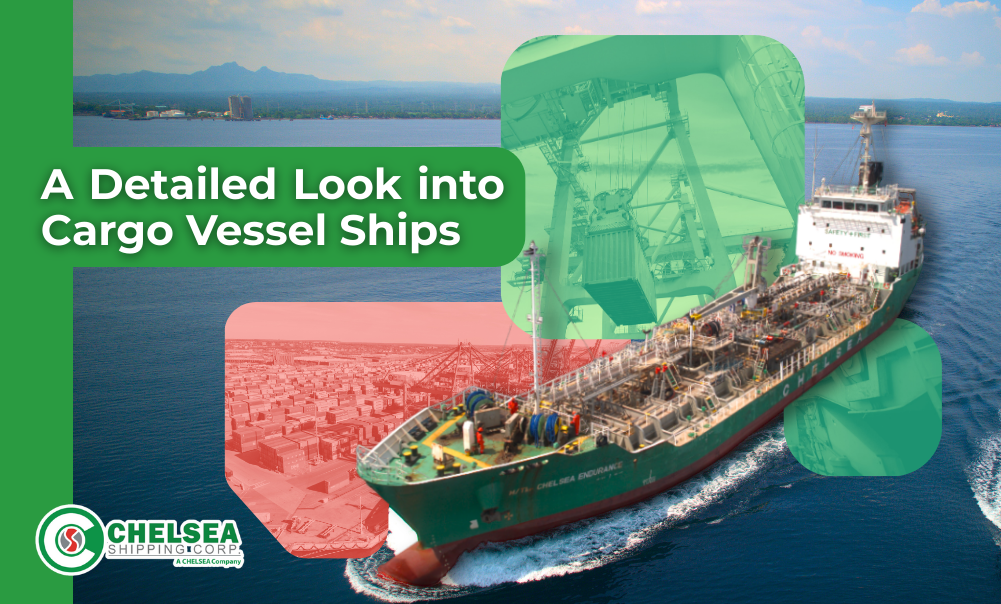
A cargo vessel can come in varying shapes, sizes, and functions. This versatile ship enables the conduct of maritime trade, both domestically and internationally. It is used to safely transport different commodities across the ocean, connecting suppliers, distributors, and consumers through a complex network. Although the type of cargo makes cargo vessels distinct from each other, the end goal is to always deliver goods on time and in pristine condition. Discover more about the types, sizes, and benefits of cargo vessels in this helpful guide. Essential Info You Should Know About the Types of Cargo Vessels What is a Cargo Vessel? A cargo vessel is a merchant ship that transports large amounts and sizes of goods from port to port. It is typically classified according to the cargo it carries, such as dry bulk, liquid, or container cargo. Different types of cargo vessels have unique specifications when it comes to size, structure, features, and materials used to construct them. Specialized cargo vessels often come with technologically-advanced systems that enable them to load, haul, and protect cargo efficiently. 6 Types of Cargo Vessels That Operate in Maritime Trade 1. Container Ship A container ship is a type of cargo vessel that carries 20ft or 40ft shipping containers. It is designed for loading, unloading, and stacking containers for easy transport across different ports. Some container ships have their own deck cranes while others utilize gantry cranes to lift containers onto the vessel. The unit of measurement for its capacity is in twenty-foot equivalent units (TEUs). Common Container Cargo Ship Sizes Asia facilitates more than half of global container trade at 63%, and because of this, container cargo vessels of varying sizes operate all over domestic and global ship lanes. These are the most common container vessel sizes. Medium-sized types of container ships that operate between smaller and major ports. Enables the shipment of goods from smaller ports to be transported to key domestic hubs access international markets Larger ships built according to the limits of the Panama Canal. Mainly used in international trade and enabled the shipment of larger volumes of goods. Cargo vessels that exceed the size of the Panama Canal, can carry an extremely large number of containers and are used to cross major trade channels for maximum efficiency. Can easily traverse the expanded Panama Canal. Defined the standard size of newer vessels that can travel Asia, Europe, as well as the Americas. Expansion of the Panamax class designed to reach the limits of the Suez Canal, effectively solidifying its efficiency in international maritime transport. 2. General Cargo Vessel General cargo ships are versatile choices for transporting all kinds of commodities. It carries container, breakbulk cargo, and loosely packed bulk cargo. This is one of the types of container ships that can accommodate a mix of different cargo. It is possible to combine reefer containers, regular containers, packaged goods, and industrial equipment in a single general cargo vessel. 3. Reefer Vessel A refrigerated or reefer ship is a specialized cargo vessel designed to transport temperature-controlled commodities. It is necessary to maintain the freshness of perishable goods such as dairy, fruits, vegetables, and meat until it reaches its destination. This makes refrigerated cargo vessels critical for global trade activities. 4. Tanker Bulk liquid cargo is transported using a tanker, with various sizes designed to hold large quantities of liquid. Cargo is pumped into the hold and secured through a complex safety system to ensure its safety throughout the journey. Tankers are also classified according to vessel size and cargo type, such as: Specifically carries unrefined crude oil and petroleum products used in energy industries. Characterized by a flat deck designed for holding an intricate piping system. Accommodates a diverse range of liquid chemicals like methanol, palm or vegetable oil, sulfuric acid, and phosphoric acid. Engineered with stringent safety requirements, coatings, and temperature controls. Transports corrosive, flammable, or toxic gas in individual, low-temperature tanks. Equipped with high insulation, membrane tanks and advanced safety systems. Cargo vessel that carries refined petroleum products like gasoline and diesel for commercial use. Vessel size is usually smaller than crude oil tankers. 5. RoRo Ship A Roll-on/Roll-off or RoRo ship is a type of cargo vessel that can transport wheeled cargo, hence its name. Vehicles and industrial machinery can be rolled on or off the vessel, and in some cases, lifted on and off (LoLo ship) using on-board cranes. It carries cars, trucks, buses, and heavy equipment, making it essential for domestic and international transport of automotives and general goods. Domestic RoRo vessels also transport passengers across short or long-distance sea travel. 6. Dry Bulk Carrier Bulk carriers or bulk cargo vessels carry dry, non-containerized cargo. These are usually raw materials like minerals, iron ore, coal, or grains. Most bulk carriers utilize on-board cranes or conveyor belts to load bulk products into the cargo hold. It comes in varying sizes depending on its trade route and destination ports. From largest to smallest in deadweight tonnes (DWT), some of the bulk carrier sizes are: Benefits of Using a Cargo Vessel Ship for Your Business Transport large volumes of products economically Businesses that need to ship a large number of commodities can save on costs through sea freight shipping. A single high-capacity cargo ship can do wonders for transporting raw materials and finished products, which is crucial for manufacturers and distributors. Cargo shipping services such as LCL and FCL shipping give business owners the option to consolidate goods and share costs with other businesses. This makes shipping through various types of container ships an economical option. Access to various types of cargo vessels Versatility is one of the fundamental benefits of using the diverse types of cargo vessels. Businesses may require a specific type of vessel according to its products, such as petroleum refineries that need tankers, dairy producers that require reefer vessels, and so on. Partnering with a reliable shipping company makes a wide range of cargo options more accessible to commercial users. Enhanced safety and security
Essential Facts to Know About Tug Boats
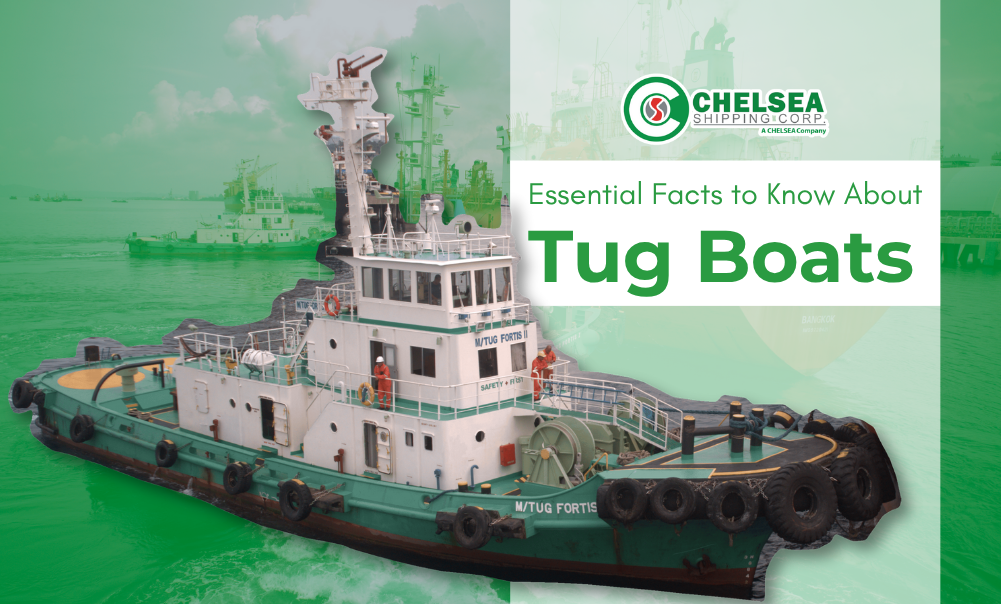
Tug boats or assistance boats are highly essential to harbor and port operations, ensuring a safe environment for vessels to move and navigate. They play critical roles in congested harbors, during inclement weather, and even maritime accidents. There are many answers to the question what do tug boats do, especially in the broader sense of maritime trade and operations. Beyond the complex and powerful mechanisms that tug boats possess, they are fundamental to the maritime industry. Here are some interesting facts that tell you what tug boats are used for. What Are Tug Boats? Tug boats are small water vessels with a huge capacity, serving as a mooring and berthing assistant to larger vessels at a harbor. They are compact vessels often powered by two diesel engines to generate sufficient power and z-drive propulsion systems to maneuver ships. A tug boat’s strength is measured by its bollard pull, or the force it can develop while propelling itself at maximum speed, all while being moored to a bollard. The Basic Functions and Uses You Should Know The main function of a tug boat is to assist large vessels in getting around the harbor. This involves much maneuvering, pulling or towing. A tug boat possesses a robust mechanism that enables it to tow and push large vessels away from or towards a port. Tug boats also act as emergency responders for quick response during critical maritime situations. It aids search and rescue operations, resolves oil spills, and puts out fires at sea or at the port. The coast guard also uses tug boats to patrol within territorial seas. An escort tug uses its power to assist and steer ships navigating narrow waterways or channels. It also functions as a safety mechanism for ships carrying valuable cargo. This also applies to ships crossing crucial shipping lanes. Maritime authorities such as the navy and coast guard use tug boats in their patrol operations. Tugs are essential for maritime law enforcement and ensuring border security. It also surveys the waters for unauthorized foreign vessels that enter national territory. 3 Types of Tugboats A conventional tugboat is the most affordable and easiest to construct. It does not require a large budget to operate and lasts longer than other types of tug boats. Although conventional tug boats are made to serve all-around functions for small to medium-sized vessels, they still lack maneuvering power needed for the enormous cargo vessels commonly found in harbors. The improved, more advanced version of the conventional tug boat is preferred for its multidirectional propulsion system, which allows more precise maneuvering and quicker repositioning. Despite it being more versatile, it entails higher maintenance costs and possesses less bollard pull compared to newer tugs. ASD stands for Azimuthal Stern Drive, which is an enhanced propulsion system that allows the tug boat to maneuver in any direction with ease. Maintenance is not a problem as the propulsion unit is easier to retrieve. It has a stronger bollard pull than the tractor tug boat and improved speed, which makes it ideal for larger cargo and passenger vessels. Importance of Tug Boats: What tugboats do besides their main functions Tug boats perform critical operations at sea to provide safe waterways for small, medium, and large-sized vessels. They minimize the chances of accidents, collisions, capsizing, and improve mobility of ships, ensuring that they arrive at their destination safe and sound. Tug boats speed up operations in major ports by decongesting the harbor and assisting in docking. Tugs equipped with special mechanisms serve specific purposes that an ordinary vessel or assisting ship can perform. Tugboats also protect the environment by facilitating movement of ships carrying delicate cargo such as oil or gas. Tug boats are the first responders to quell the effects of environmentally harmful incidents such as oil spills and leakage of dangerous chemicals. The many benefits and functions of running tugboats is evidently not limited to safety, but also the efficiency of operations and even environmental protection. Tugs may often be overlooked, but their reliability is unparalleled amongst other types of vessels. ALSO READ: Avail dynamic maritime services from Chelsea Shipping Corp. Chelsea Shipping Corp. exercises its maritime expertise through high-quality tug boat services, chartering, crewing, cargo handling, and ship management. We prioritize the safety and support of shipping operations for our partners and clients. Contact us today so we can help you.
The Importance of Ship Management for Businesses in the Philippines
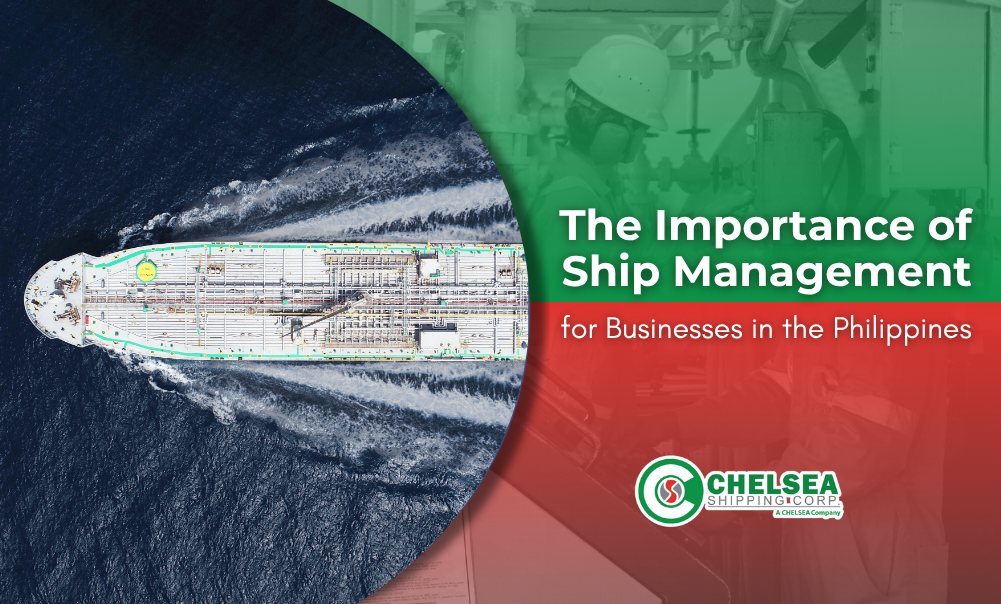
Fleet ship management involves a series of tasks and services that ensure efficient operations of a logistics fleet. This can entail close monitoring of a vessel’s performance, fuel consumption, repairs, and preventive maintenance on various parts of a ship. It also requires fulfillment of necessary documentations, regulatory compliance, and safety practices. Businesses that operate a ship or even a small fleet can considerably benefit from the services of ship management in the Philippines. Here are ways they promise more secure operations for your business. The Importance of Fleet Ship Management Regulatory compliance is vital to fleet operations at all times, no matter what market. Local and international maritime regulations require ship owners and operators to abide by certain standards and laws to guarantee proper conduct of activities. In the Philippines, the Maritime Industry Authority or MARINA is responsible for enforcing national ship safety rules and regulations across all shipping businesses in the country. They work with other regulatory bodies for various aspects of shipping, such as the DENR for agricultural cargo concerns and Bureau of Customs for trade matters. Cargo handling makes up a large part of logistics and shipping, and ship management companies can streamline this for you. Some services involve optimizing your cargo space and stowage practices, which minimizes damage during handling. Besides risk protection and maintenance, another importance of ship management is financial protection. Fleet ship management services must secure Protection and Indemnity (P&I) coverage for all vessels for these to legally operate in Philippine domestic trade. This assures the shipowner that they are protected from any potential damage, loss, or liability during its operations. Ship management is essential to protecting complex assets and machineries. Ship management experts are fully equipped to survey vessels, resolve minor issues, and perform preventive maintenance and repairs to keep your fleet running smoothly. The ability of these services to manage challenges helps you achieve steady operations, ensuring business continuity and resilience. These experts are also adept at identifying potential risks and obstacles that they also provide detailed solutions to. Features of Ship Management Companies in the Philippines Diverse services are offered for ship management and other activities, often encompassing Technical Supervision This aspect of ship management tackles the technicalities of a vessel. It involves maintenance works, standards compliance, control, and risk management within and around a ship. Vessel Conversion and Retrofitting Ship conversion is crucial to the structural integrity and operational design of a ship. Modification of the ship can be facilitated and monitored by ship management services. Financial Management Shipping industry experts can analyze, monitor, and map out your financial resources. This way, you can optimize the way you use your fleet in business operations and prevent unwanted losses. The importance of ship management is not limited to sustaining profitability, but it extends to better safety practices and maximizing your business’ resources. A vessel or fleet is a key asset to businesses big or small, and if handled appropriately can lead to commercial prosperity. ALSO READ: Chelsea Shipping Corp.’s Comprehensive Maritime Services Chelsea Shipping Corp. offers a wide variety of primary and auxiliary ship management services for your convenience. We also build lasting connections through our chartering, tugboat, crewing, and cargo handling services. Grow with us by sending us a message here.
8 Reasons Why Businesses Rely on Cargo Ships in the Philippines

Large corporations, international manufacturers and retailers, and even small to medium enterprises benefit from the convenience of cargo shipping services. Transporting goods via cargo ship in the Philippines is an economical way to ship large volumes of commodities domestically. It is also less restrictive as cargo vessels can carry heavy, oversized, and even irregularly shaped items that are otherwise difficult to transport via air or land. There are many substantial perks to using a cargo ship in the Philippines, no matter what the nature or size of your business is. Learn more about how your business can benefit from cargo shipping services. 8 Reasons Why Businesses Choose Cargo Ships in the Philippines Cargo shipping is a fundamental part of the country’s economy, which is why most shipping companies operate routes to different cities and provinces. Philippine cargo ships typically ply major domestic trade routes such as Manila to Cebu, Manila to Davao, Cebu to Davao, and other key ports. They also have port links to smaller harbors. Shipping companies also have an expansive network with other types of couriers local to certain provinces or regions. A cargo ship is a lot more flexible than other forms of transport. Several shipping companies offer options such as less than container load (LCL) shipping, full container load (FCL), and other forms of freight consolidation. This way, shipping companies make their services more accessible to SMEs and smaller types of businesses. Long-time logistics partners may even offer volume-based discounts for large quantities of shipments. Different commodities require different handling and storage requirements. A specialized cargo ship in the Philippines is capable of preserving the integrity of goods until it reaches the end user. Perishable items, for example, require adequate temperature control that can be found in reefer containers. Crude oil and petroleum products need to be transported using a tanker, while heavy industrial machinery may require the use of a bulk carrier. Cargo shipping companies in the Philippines must align their solutions with their clients’ business objectives. This way, they can both achieve healthy customer relationships. Transparent communication is also necessary to maintain customer satisfaction, especially when it comes to tracking shipments, product integrity, and the quality of services. Special or project cargo can be a dilemma for industries such as construction, energy, oil and gas, and mining. Logistics companies can provide tailored solutions for bringing oversized and bulky goods aboard a cargo ship in the Philippines. Additionally, shipping lines usually offer services like document and parcel shipping and RoRo shipping alongside general cargo. Using a cargo ship can simplify complex logistics processes. Businesses have the option to consolidate shipments, employ specialized handling methods, and reduce damage to goods. By outsourcing cargo shipping services, business owners can concentrate on further developing their core functions and increasing product output. Philippine cargo ships operate according to a schedule, which makes it easy for businesses to plan and predict their delivery lead times. This helps maintain an accurate shipping timeline, especially when dealing with the challenging archipelagic nature of the country, where sea and weather conditions can get rough. Thanks to new technological developments in the logistics industry, tracking a cargo ship in the Philippines has become easier and more transparent. Real-time tracking gives you and your customers peace of mind and enhances the reliability of your logistics partner. Businesses across diverse industries utilize cargo shipping in different ways. Its versatility has enabled many business owners to enhance the scope of their products and services within the country. ALSO READ: The Importance of Ship Management for Businesses in the Philippines In search of a reliable Philippine cargo ship provider? Chelsea Shipping Corp. is a leader in Philippine cargo shipping, championing the transport of commercial goods and petroleum products throughout the years. Besides cargo vessels, we also provide tankers, tug boats, crewing and ship management solutions, and more. Let us know how we can help you. Send us a message today.