A Comprehensive Look at Vessel Chartering in the Philippines
- blog
- May 28, 2026
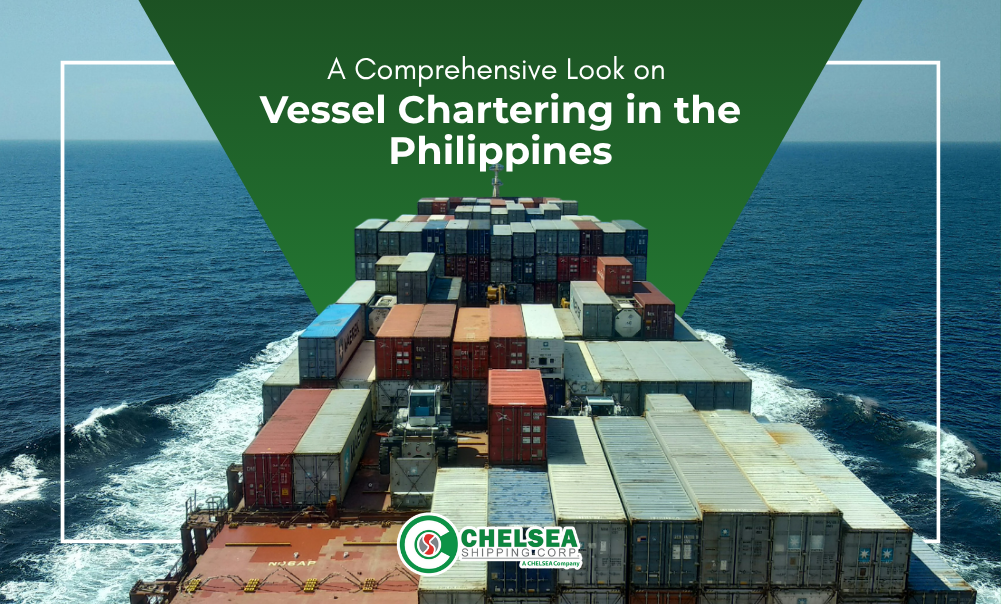
Vessel chartering is a common logistics service for businesses that wish to transport cargo or passengers. This makes it possible for them to conduct logistics even without owning a ship. The process involves various parties, like the ship owner, charterer, and a ship broker. It is a practical solution offered by ship chartering companies to allow individuals and businesses to maintain continuous operations across different ports of call.
Companies that frequently conduct inter-island trade should look into sea chartering in the Philippines. Not only does it minimize the risks of owning a fleet, but it also gives you vast options and financial flexibility for various cargo types. Discover the in-depth chartering process through this handy guide.
A Business Owner’s Overview of Ship Chartering in the Philippines
What Is Vessel Chartering?
It is the practice of hiring or renting a vessel from a ship owner. This can be any type of ship, from passenger, cargo, dry and liquid bulk carriers, to RoRo. Both sides agree upon a specific purpose, time period, cost, and set of responsibilities, which are defined in a document called the charter party.
There are three parties involved in the charter party:
- Ship owner – The ship owner provides the vessel for leasing. Depending on the type of charter, the ship owner retains control of various areas of ship management, including financial (port fees, crew salary) and vessel maintenance.
- Charterer – The charterer rents the ship for a certain purpose, such as transporting cargo or passengers. (They are responsible for the overall operation and safety of the vessel, its crew, cargo, and passengers.
- Ship broker – Brokers assist shipowners in finding the right market for their vessel. They can specialize in certain types of vessels (e.g., cargo, passenger, tankers, barges) and charge a commission for their expertise. They are only responsible for liaising both the charterer and shipowner.
3 Kinds of Ship Chartering
- Voyage Charter
Voyage charter is the most popular type of vessel chartering. It leases both the vessel and its crew for a particular voyage from a load port and discharge port. Its costs are calculated on a per-ton or lump-sum basis, as agreed upon by both the ship owner and charterer.
A laytime, or a specific period for unloading cargo, is followed for this type. Exceeding the laytime will entail additional charges or demurrage to the charter party, while saving laytime will reward the charterer with despatch. Voyage charter is best for one-time and infrequent shipments.
- Time Charter
Time charter is the type of sea chartering that leases a vessel for a certain time period. A charterer is in charge of the voyage schedules, routes, and cargo, while ship owners retain the overall ship management. The charterer also pays for fuel, port charges, and the daily chartering fees. A time charter works well for long-term shipping operations.
- Bareboat Charter / Demise Charter
As the name suggests, bareboat charters allow charterers to rent a ship, as well as gain complete control of the vessel. All legal and financial responsibilities will be passed to the charterer. Commercial demise chartering may serve as a basis for hire-purchase for shipowners/builders to charterers.
In most cases, shipowners can lease a certain vessel while retaining control of technical management and commercial operations. The charterer is then left in charge of all the rest. This type of chartering is ideal for long-term business agreements, in which charterers have the necessary resources to fully control the vessel.
Essential Terms for Ship Chartering
The following terminologies are commonly used by ship chartering companies. These are likely to reflect on key documents like the Charter Party (C/P).
- Notice of Readiness – A document issued to the charterer, shipper, or receiving party. This is the ‘go signal’ for them that the ship has arrived at the port and is prepared to load or discharge.
- Bill of Lading – The ship chartering document wherein the quantity and type of goods for shipment are declared. It also contains information about the shipper, consignee, ports of call, and vessel specifications.
- Commencement of Laytime – Laytime commences once the vessel arrives at the port, the Notice of Readiness, and the necessary documents are tendered.
- Dead Freight – This pertains to the penalty that is paid by a charterer for failing to utilize the reserved space. Under the C/P, the charterer is liable to pay the unoccupied space, also known as ‘dead’ freight.
- Demurrage – Refers to the financial compensation paid to a shipowner when a charterer fails to load or unload goods within the agreed laytime.
- Laycan – This term means ‘Laydays and Cancelling’. It is the period of time during which the ship can arrive early (and laytime can commence), until the last date it can arrive at port (laydays cancelling). It is usually on the last date that the charterer can cancel the arrangement, provided the vessel hasn’t arrived on time.
- Laytime – An agreed time period wherein the shipowner reserves the vessel for the charterer to load or discharge cargo without additional charge. The laytime can either be fixed or calculable, depending on the agreement between both parties.
Determining Who Pays for Chartering Costs
Operating Expenses
Operating and maintenance expenses are all paid for by the owner in time and voyage charters. Charterers pay for this in bareboat charters.
Periodic Expenses
Periodic maintenance and inspections are paid by the owner for time and voyage charters. The financial responsibility falls on the charterer under a bareboat charter.
Voyage Expenses
Expenses for towage, ports, piloting, fuel, and other auxiliary expenses that come with voyage routes are the responsibility of charterers under time and bareboat charters. The ship owner pays for these only under a voyage charter.
Cargo Expenses
The costs of cargo loading, unloading, and overall handling is covered by the charterer under time and bareboat charters. Voyage charters tie this responsibility to the ship owner.
How Your Business Can Do Ship Chartering
- Determine your cargo requirements and voyage details
Businesses must identify their own cargo types, volume, and voyage routes before engaging in vessel chartering. Calculate estimated costs, which will enable you to budget accordingly for the type of ship you plan on renting. Market research should also be done to monitor vessel rates and availability.
- Partner with a ship chartering company
Once you have outlined your cargo requirements, connect with shipping companies to find the right vessel. They will have a specific inventory that is organized according to each ship’s available capacity or port calls. Ship owners and shipbrokers can both provide valuable information regarding the best kind of vessel to fit your needs.
- Negotiate the terms of the contract and execute the charter party
This is the most crucial step of vessel chartering. It involves thorough communication between the charterer and ship owner. This is also the stage in which each risk and financial responsibility is determined.
- Initial Contact – Charterers or shipbrokers send a cargo order or shipping order to the ship owner.
- Offer and Counter-Offer – The vessel chartering process begins when a ship owner responds with their initial offer and terms of charter.
- Negotiation Proper – The ship owner and charterer (or broker, if applicable) discuss the terms and conditions of the charter, including the duration, type, total cost, and payment method, maritime risks, legal and financial responsibilities, loading and transportation, and documentation details.
- Final Agreement and Drafting of the Charterparty – This is the stage where both parties enter into a binding agreement. Once all costs and responsibilities are fixed, the formal document is drafted based on industry standards.
- Reviewing and Signature – All involved parties review the charter party to make sure it clearly illustrates the agreed-upon terms and conditions. Once contented, the ship owner and charterer sign the document to legally formalize it.
Every form of correspondence between the parties must be recorded. They must be kept until the charter has ended and all outstanding matters are settled.
- Pre-loading
During the pre-loading stage, the vessel is surveyed, and mandatory checks are conducted. This is done to ensure that cargo can be carried safely. A ship owner must submit a Notice of Readiness (NOR) to the charterer once the vessel is prepared.
- Laytime and Voyage
Laytime is the time allotted for a charterer to load or unload cargo without additional costs. This period is stipulated in the charterparty. It begins once the NOR is submitted and ends upon completing loading or unloading.
The ship begins its voyage and sails to the destination port. It can make multiple stops as declared in a ship’s documents. Once it reaches its destination, cargo is unloaded within the agreed laytime.
- Redelivery
The ship is then returned or redelivered to the owner after the charter ends. In case of any disputes or breach of contract, both parties must settle the matters through the proper legal procedure.
Ship chartering offers vast opportunities for flexible, cost-effective shipping. It prevents businesses from incurring the sudden costs of owning a ship and allows them to build meaningful partnerships with reliable third-party logistics companies.
ALSO READ: Key Aspects of Marine Fleet Management that Every Ship Owner Must Know
Chelsea Shipping Corp. provides a broad range of maritime logistics services in the Philippines. As we uphold our position as the country’s premier tanker cargo shipper, we also provide adaptable and technologically advanced solutions for individuals and businesses. Explore our crew management, vessel chartering, and cargo shipping solutions and connect with us today.