Essential Steps for Shipping Hazardous Materials by Sea
- blog
- October 28, 2026
Businesses and individuals dealing with hazardous goods shipping must follow a careful and strict process when organizing a shipment. Hazmat shipping is inevitable as harmful materials are also an essential part of everyday household items, electronics, and industrial machinery. Nevertheless, it is possible to ship dangerous goods safely via sea, thanks to domestic shipping companies that abide by rigorous global and domestic standards.
Here is a brief yet informative guide on how to ship dangerous goods on maritime vessels.
Fundamental Steps on How to Ship Dangerous Goods by Sea
Choose a Shipping Company
- Browse dangerous goods guidelines
Various commercial shipping companies accept Dangerous Goods cargo for shipment. However, they can be selective about certain types or maintain strict handling procedures. Coordinate with your chosen provider to know what to prepare, how to pack, label, or classify your dangerous goods.
Chelsea Shipping accepts more dangerous goods than other shipping companies in the Philippines. Although not all types are accepted, it is recommended to consult with an official representative to know if your goods can be accepted as cargo or not.
- Communicate special handling requirements
Reliable shipping services ensure that their safety personnel and cargo handling crew are well-trained on how to ship hazardous materials. They are also equipped with protective gear and crisis response strategies. It is your responsibility as a shipper to declare the proper classification and handling instructions, so the crew can apply the proper techniques in securing your cargo from start to finish.
Know the Regulatory Requirements
- Familiarize and follow legal regulations
Shipping lines in the Philippines follow the International Maritime Dangerous Goods (IMDG) Code, which is the worldwide standard for shipping hazardous commodities. Additional domestic guidelines are also set in place by MARINA to further regulate the DG trade. These regulations also emphasize the responsibilities of the consignors, shipping providers, and other relevant parties.
- Obtain proper training
Individuals, businesses, and other groups that deal with these materials are required to undergo training for hazardous goods shipping. Training and certification ensure that you have a proper and thorough understanding of the risks, safety practices, and regulatory requirements associated with DG cargo. Otherwise, shipping companies provide adequate training to their staff to ensure proper shipping of hazardous materials by sea.
Pack and Label
- Classify and declare your dangerous goods correctly
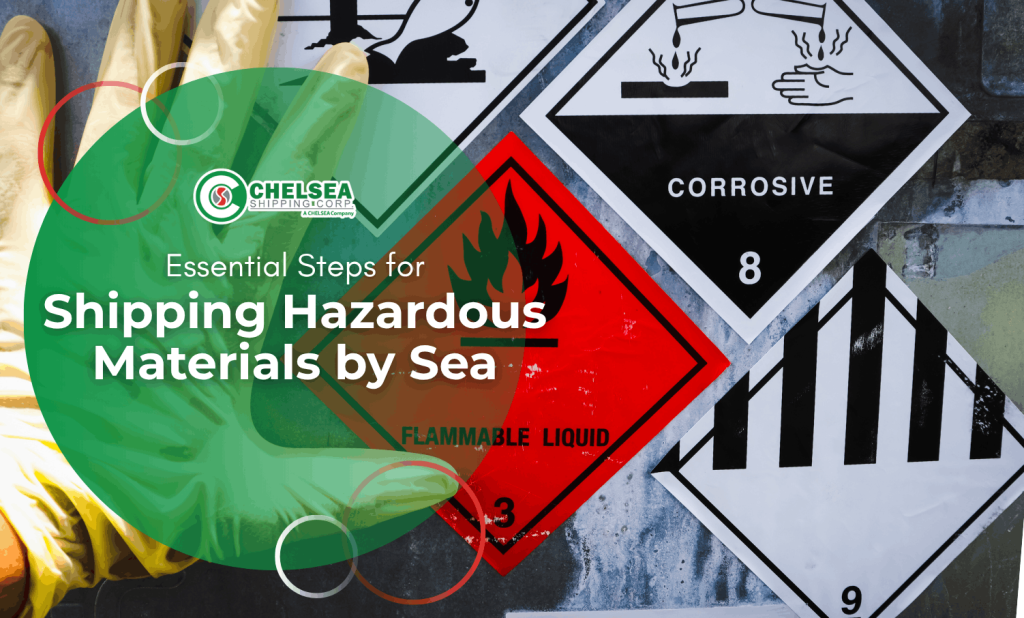
Never forget to classify and sort your products before shipping. There are 9 classes of DG utilized globally:
- Class 1 – Explosives
- Class 2 – Flammable Gases
- Class 3 – Flammable Liquids
- Class 4 – Flammable Solids
- Class 5 – Oxidizing
- Class 6 – Toxic and Infectious
- Class 7 – Radioactive
- Class 8 – Corrosives
- Class 9 – Miscellaneous
This classification system can also help you coordinate special arrangements with trusted shipping services in the Philippines. You will be required to declare the actual contents and class when booking your shipment.
- Use industry-grade packaging
Specialized containment systems or packaging are a must when shipping hazardous materials by sea. Most shipping lines in the Philippines encourage the use of full container load (FCL) for containerized shipment of dangerous goods. This helps isolate potentially harmful materials from other cargo, as well as minimize the risk of handling errors, contamination, and accidents.
There are three packaging categories to follow:
- Group I: High-danger substances
- Group II: Medium danger substances
- Group III: Low danger substances
- Use the proper UN Labels and documentation
UN numbers are used as labels in dangerous goods shipping. It also appears on the required documents, permits, and certificates you must submit in order to ship dangerous goods.
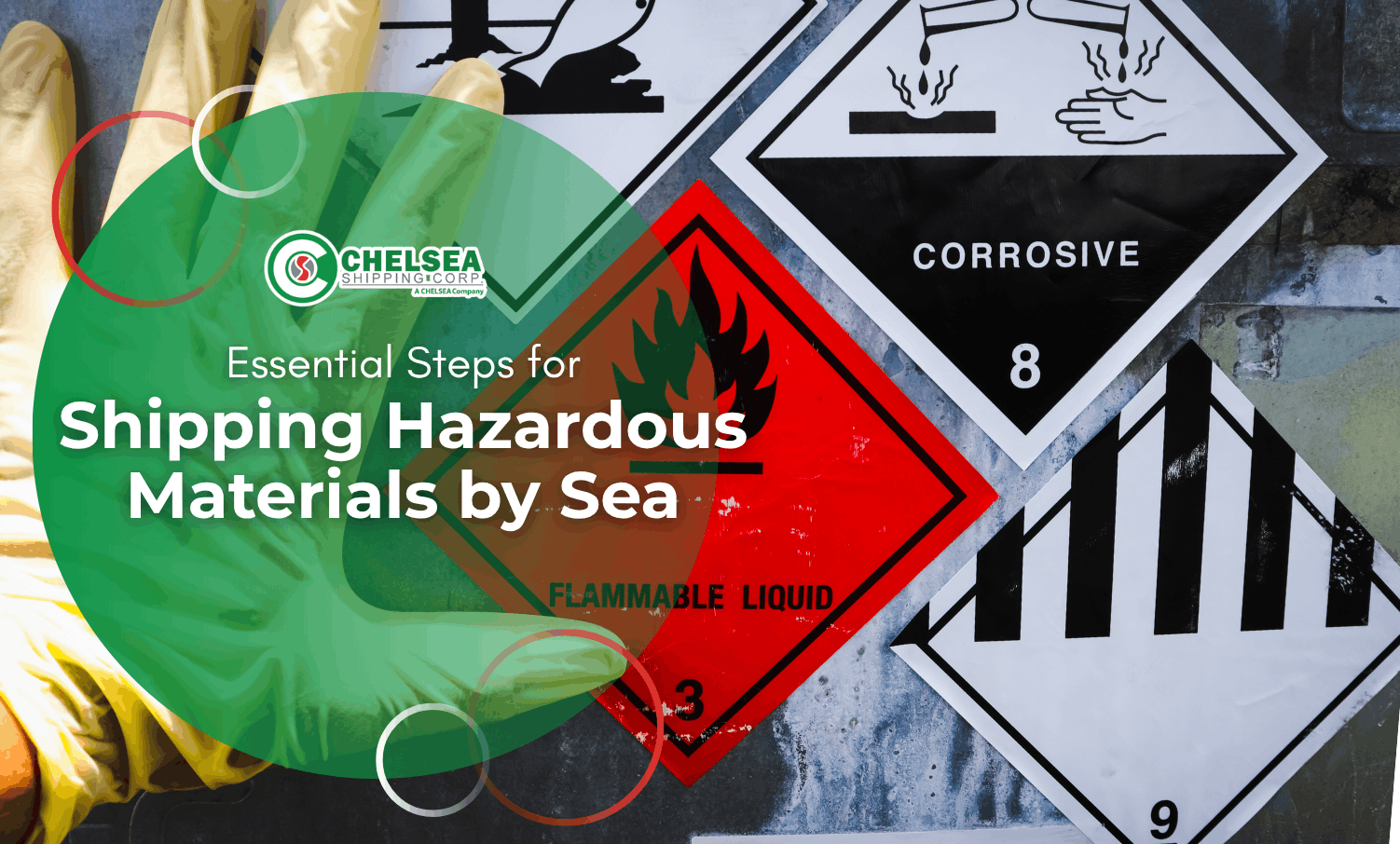
Research and use the proper danger shipping labels as well. These are weather-resistant, diamond-shaped labels containing the hazard class number. They are positioned and placed in a visible place on the outer packaging, informing cargo handlers about the contents, risks, and how to handle them.
For many key businesses and industries, it is essential to know how to ship dangerous goods. Beyond transporting fundamental goods and raw materials, safe and secure hazmat shipping protects people and the environment by ensuring harmful goods are contained and moved according to global standards.
ALSO READ: Fool-Proof Guide on How to Ship Heavy Equipment in The Philippines
Chelsea Shipping is one of the leading shipping companies in the Philippines, providing comprehensive maritime logistics, crewing, vessel chartering, ship management, and tugboat services to every Filipino. Experience safe and secure shipping through our reliable fleet of tankers, tugboats, and floating docks, fully equipped to support and empower your business wherever you are. Connect with us to get a quote today.