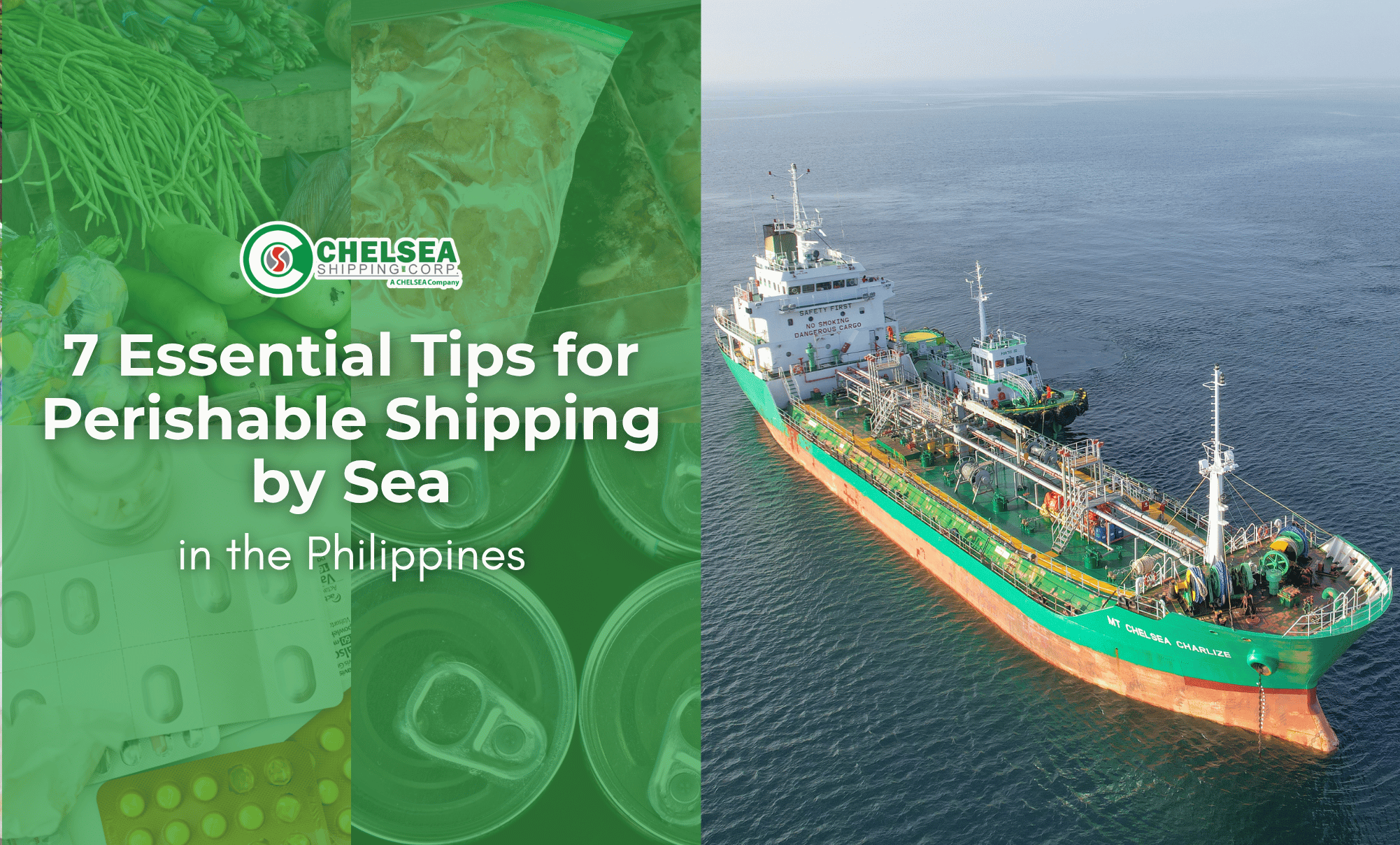
7 Essential Tips for Perishable Shipping by Sea in the Philippines
- blog
- November 18, 2026
Manufacturers and suppliers know how critical perishable goods shipping is to key industries in the country. Delicate commodities like agricultural goods, food, beverages, dairy, and pharmaceutical products must be preserved in appropriate conditions from start to end of the journey. However, not all businesses own extensive mid to last-mile logistics facilities. To solve this, shipping companies in the Philippines operate using the best practices for shipping perishables.
If you are still figuring out how to ship perishables, it is a must to be familiar with the common practices to keep your products fresh. Here is a brief yet practical guide to enhancing your cold chain shipping now.
7 Tips on How to Ship Perishables in the Philippines
1. Select the right packaging.
Stock up on the appropriate packaging materials for shipping perishables. Your packaging can entirely depend on the type of cargo you are shipping. Here are some examples:
- Insulated boxes and containers (foam or vacuum)
- Refrigerants
- Absorbent pads
- Food-grade plastics
- Aseptic cartons
2. Place additional refrigerants.
It is important to maintain chilled temperatures when shipping perishables. Dairy products, for instance, will spoil quickly. Invest in refrigerants like cold gel packs and dry ice.
- Gel packs – Made of non-toxic phase change materials (PCMs) that adapt and sustain to various temperatures. The higher number of gel packs, the longer you can maintain a colder temperature for your goods.
- Dry ice – Made for deep-freezing items, ideal for frozen goods transported over a long period, such as ice cream, meat, and seafood. It requires careful and specialized handling due to its extremely cold temperatures.
3. Choose an appropriate reefer shipping container.
Refrigerated or reefer shipping containers are the best choice for perishable goods shipping in the Philippines. These types of containers are already fitted with a refrigeration unit, insulating panels (aluminum, polyurethane, stainless steel), and specialized flooring (flat or t-bar).
The right reefer container helps you maintain specific internal temperatures for various items, typically ranging from 30°C to +25°C for standard configuration. Meanwhile, frozen cargo ranges between -18°C to -25°C, while chilled cargo goes from 0°C to +15°C. Pharmaceutical products may require ultra-low conditions.
4. Work with an expert cold chain logistics provider.
Connect with reputable cold chain logistics companies. Look for a firm that has a proven record of successful short or long-haul shipping activities. Not only do they deliver your goods accurately and timely, but they are also equipped with frozen and chilled shipping expertise. Search for comprehensive services, including cargo handling, logistics planning, storage, and nationwide shipping.
5. Optimize your delivery route.
Lead time is extremely critical to perishable shipping in the Philippines. Due to a limited shelf life, these products must be delivered as fast and directly as possible. Coordinate with a shipping company to map out a route with the least delays, shortest distance, and fastest arrival time. It is also important to consider holidays, traffic situations, and spikes in product demands when conducting route planning.
6. Utilize the proper labels and instructions.
Communicate with your chosen shipping provider so that freight handlers will know how to ship perishable food or other cargo. Some of the mandatory information that must be seen on shipping labels include:
- Shipping information
- Load types
- Cargo weight and dimensions
- Port of origin and destination
- Dangerous goods (DG) labels for applicable goods
- Illustrated handling instructions (ex. “This Side Up”)
7. Conduct cargo risk assessment.
The nature of perishable goods shipping introduces a great number of risk factors and points. For instance, condensation, equipment failures, improper handling, human error, transit delays, and unfavorable weather conditions. Ensure that your chosen logistics provider can perform a thorough cargo risk assessment before every voyage.
They must also come up with a comprehensive risk mitigation plan, where viable solutions are applied to each potential threat encountered during sea shipping. Not only is this essential to the freshness and safety of your cargo, but also to your business continuity.
The availability of essential products depends on efficient perishable goods shipping practices. By applying a resilient strategy, connecting with a trusted shipping company, and maintaining a manageable system, you can maximize your resources and sustain a continuous supply of products for your target market.
ALSO READ: A Comprehensive Look at Vessel Chartering in the Philippines
Simplify your maritime logistics processes with Chelsea Shipping Corp. We are a dependable shipping company, operating through years of service in the Philippine seas. We offer extensive fleet, crewing, and cargo support to the top oil and gas companies in the country, along with various key industries. Discover sustainable and better shipping solutions with us. Let’s connect today!