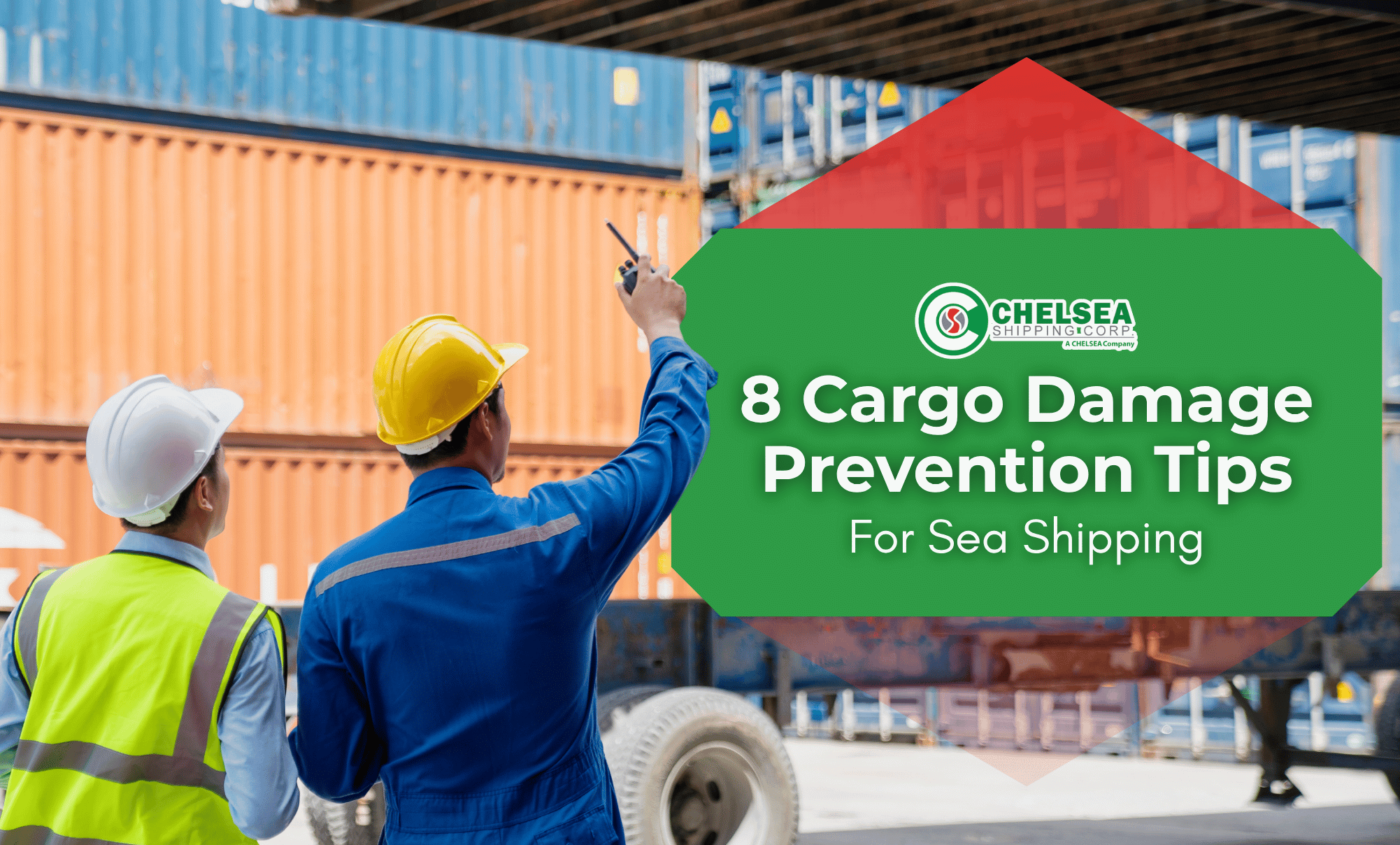
8 Cargo Damage Prevention Tips For Sea Shipping
- blog
- November 11, 2026
Cargo damage prevention is essential to any type of shipment. Even a carefully planned voyage can encounter challenges to the integrity of cargo. Physical and water damage, contamination, infestations, mishandling, and even theft or vandalism can cause significant losses to your inventory and profit. You need a strategic approach to cargo security in order to minimize harmful risks.
How to prevent cargo damage when there are various types of risks involved? Find out the common ways you can safeguard your goods during sea shipping.
8 Tips on How to Prevent Cargo Damage When Shipping by Sea
1. Schedule and coordinate logistics movement.
Cargo damage prevention should be part of your logistics planning. Plan your shipment schedules according to the forecasted weather. Avoid shipping critical and high-value goods during harsh and unpredictable weather. Maintain open and proper communication with your preferred logistics provider. This way, you can be notified of travel advisories, avoid delays, and prioritize urgent goods.
2. Practice proper packaging techniques.
Stock up on adequate packaging supplies. The specific materials you need can depend on the type of goods you are dealing with.
- Crates: Great for heavy and large items, like appliances and industrial machinery, equally distributes weight and forms a flat surface for stacking.
- Pallets: Bundles together heavy items and bulk dry cargo or boxes. Provides increased stability while maintaining lower costs.
- Inflatable Dunnage: Act as shock absorbents and void fill to eliminate empty spaces between items. Prevents goods from shifting around during the journey.
- Rope, Steel, and Wire Straps: Can be attached to bull rings and lashing bars, fixing goods in place for maximum cargo damage prevention.
- Food Grade Packaging: Safeguards food, pharmaceutical, and other perishable items from potential chemical and odor contamination. It also prevents exposure to oxygen, moisture, and other elements that can accelerate spoilage.
3. Hire an experienced shipping company.
Whether you need professional cargo handling or nationwide logistics solutions, seasoned shipping companies in the Philippines know how to prevent cargo damage. Select and consult logistics services with a proven track record of specialized cargo solutions. Make sure they understand your business goals. By working with them, you can access customized, cost-efficient solutions to protect your goods no matter the weather.
4. Place clear and readable labels on your shipment.
How are shipping labels necessary for cargo damage prevention? It is your primary way of communicating the contents, shipping information, and handling instructions to stevedores and other relevant personnel. Some of the details that should be legibly printed on your shipping labels are:
- The port of origin and destination
- Cargo dimensions and weight
- Number of items and sizes
- Kinds of items
- Fragile labels
- Ideal storage temperature and humidity
- Hazmat shipping categorization (for dangerous goods)
- Illustrated cargo handling instructions
5. Inspect shipping containers before loading.
If you plan to use a shipping container, make sure to conduct a thorough inspection before loading. Containers must be dry, clean, and free from any signs of rust or physical damage. For goods that require reefer containers, test the temperature and ventilation controls. It must not be able to leak out light, liquid, or gaseous components. Examine the bottom structure, door, and locking mechanisms to ensure a water-tight fit.
6. Observe dimensional and weight limits.
One of the key points of cargo damage prevention is to avoid loading overweight and oversized cargo. Do not exceed the maximum cargo payload, as this can cause vessel instability, structural damage, delays, and potential financial losses. It can also subject you to fines and legal liabilities that can compromise your business operations.
7. Consider humidity and temperature.
Improper monitoring of cargo humidity and temperature can lead to water condensation and damage. Liquid and gas commodities also need to be kept at optimal levels to maintain the safety of cargo and crew. Dangerous cargo can heat up or emit toxic gases when kept in incorrect temperatures for a prolonged period of time.
8. Get marine cargo insurance.
Insuring your items won’t directly prevent cargo damage, but it can safeguard you from risks and losses that can stem from it. For instance, lost or stolen cargo can result in financial losses. This sets you back on penalties, storage fees, manufacturing, and replacement costs. It also causes operational delays as it forces you to return to square one, further disrupting the flow of the supply chain. Ensure that your chosen shipping service provides automatic cargo insurance to an extent.
Adopting the best cargo damage prevention strategies is a critical way to ensure your freight arrives in good condition. Start protecting your items by ensuring you have the ideal conditions, environment, equipment, and manpower.
ALSO READ: Fool-Proof Guide on How to Ship Heavy Equipment in The Philippines
Chelsea Shipping Corp. provides exceptional maritime services and support. As one of the trusted shipping lines in the Philippines, we tailor each business cargo delivery solution to be convenient, safe, and secure. Chelsea Shipping also provides professional logistics assistance to enterprises of every size, strengthening the supply chain distribution in Luzon, Visayas, and Mindanao. Refine your shipment game with us. Connect with us today!