Essential Facts About Bulk Cargo Carriers in the Philippines
- blog
- April 23, 2026
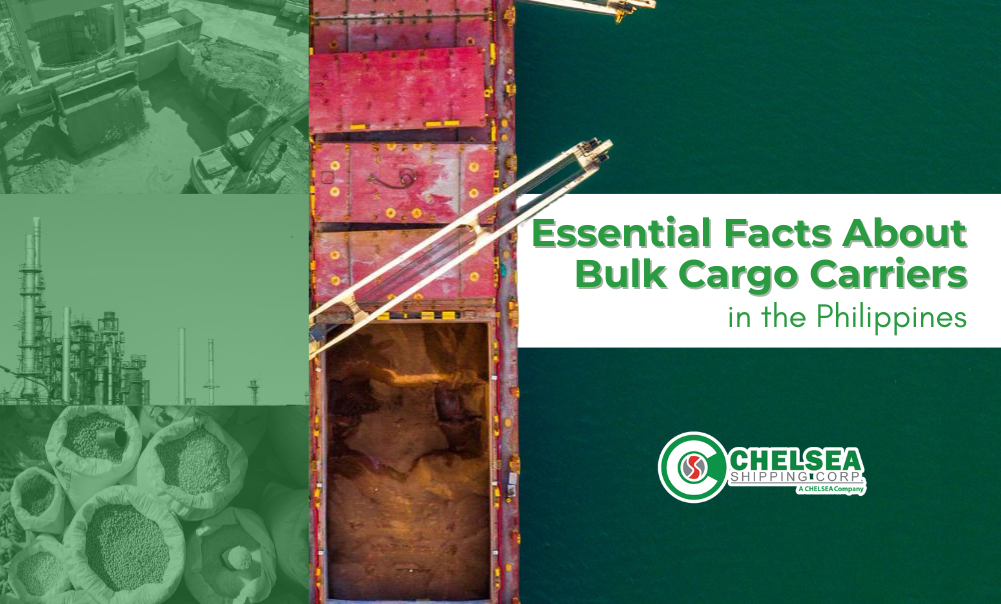
Merchant vessels, such as bulk cargo carriers, play a significant role in maritime trade. It enables the transport of valuable commodities used in everyday manufacturing and consumption. They also facilitate the smooth movement of dry and liquid bulk between key areas in the Philippines, ensuring a seamless flow of the supply chain.
Several unique features and processes define the operations of a bulk cargo carrier. This informative guide discusses traits and facts about this versatile vessel.
What is a Bulk Cargo Carrier?
Bulk carriers are large maritime vessels that specialize in transporting high volumes of unpackaged goods. Loose cargo is loaded onto separate cargo holds, where it will be stored during the entire voyage. Some examples of dry bulk are cement, ore, sugar, and grains, while liquid cargo consists of petroleum, oil, and various chemicals.
7 Interesting Facts about Bulk Cargo Carriers in the Philippines
1. Bulk cargo vessels can transport a variety of cargo.
Bulk cargo is usually split into two categories, dry and liquid bulk. Dry bulk refers to homogenous or non-homogenous major commodities such as coal, grains, and ore, which are transported on large bulk cargo carriers. It can also include minor dry bulk like large quantities of agricultural products, metal scraps, or sand, which are usually loaded on smaller cargo vessels.
Liquid bulk cargo includes products like oil, crude oil, LNG, and LPG. Liquid carriers are often referred to as ‘tankers’, and due to the extreme demand for the oil and gas industry, varying sizes of ships exist to deliver to diverse trade routes.
2. There are at least 7 common size categories of bulk carriers
Bulk cargo carriers come in a wide range of sizes, indicated by their capacity in dead weight tonnage (DWT). Each type of carrier is built according to the maximum waterway allowance of canals and seaports (e.g. Panama Canal, Cape of Good Hope, Cape of Horn).
- Mini (10,000 DWT)
- Handysize (24,999 DWT)
- Handymax (49,999 DWT)
- Supramax (64,999 DWT)
- Panamax (78,999 DWT)
- Capesize (199,999 DWT)
- Very Large Ore Carrier / VLOC (250,000 DWT)
3. Cargo carriers have special designs for every cargo type.
Cargo operation consists of methods of special loading and unloading, tailored to different kinds of commodities. Vessels are fitted with various features like additional holds, hatches, cranes, and deck designs.
- Conventional Bulk Carriers – Can range from 5 to 9 cargo holds, depending on the vessel size, built with hydraulic hatches and steel covers to protect cargo holds.
- Combined Bulk Carriers – Designed to carry both dry and liquid bulk (usually oil), equipped with cargo holds for dry goods, pumps, and pipelines to load and discharge oil.
- Self-Unloading – Equipped with cranes and conveyors to discharge cargo directly at a warehouse or ports that have limited cargo handling facilities.
- Open Hatch Carrier – Provides direct access to cargo holds and allows transport of large units of lumber and other forest products.
- Bulk-in, Bags Out – Unique vessels that load products in bulk and discharge them in bags, furnished with bagging facilities and equipment for a streamlined bagging process on board.
- Gearless Bulk Carrier – Cargo carriers that do not have their own equipment and instead, rely heavily on port facilities.
4. Bulk cargo shipping companies use specialized handling equipment.
A cargo carrier in the Philippines operates using dedicated industrial equipment, either on board or in port. This usage ensures the correct handling of bulk cargo of all types and forms.
Dry bulk cargo is handled using large structures like gantry cranes, hoppers, conveyor belts, grabs, and booms. Liquid bulk cargo is fed through pipelines by means of pumping equipment, which can be located in the tanker storage or the refinery.
5. Cargo carriers ship to major ports in the Philippines.
For an archipelagic country, port operations are highly essential to domestic trade. A cargo carrier in the Philippines primarily serves major routes to domestic and international ports. Key ports include:
- Manila
- Cebu
- Davao
- Cagayan de Oro
- Zamboanga
- General Santos
- Batangas
- Subic
- Iloilo
- Lucena
6. The largest oil tanker in the country has a capacity of 53 million liters.
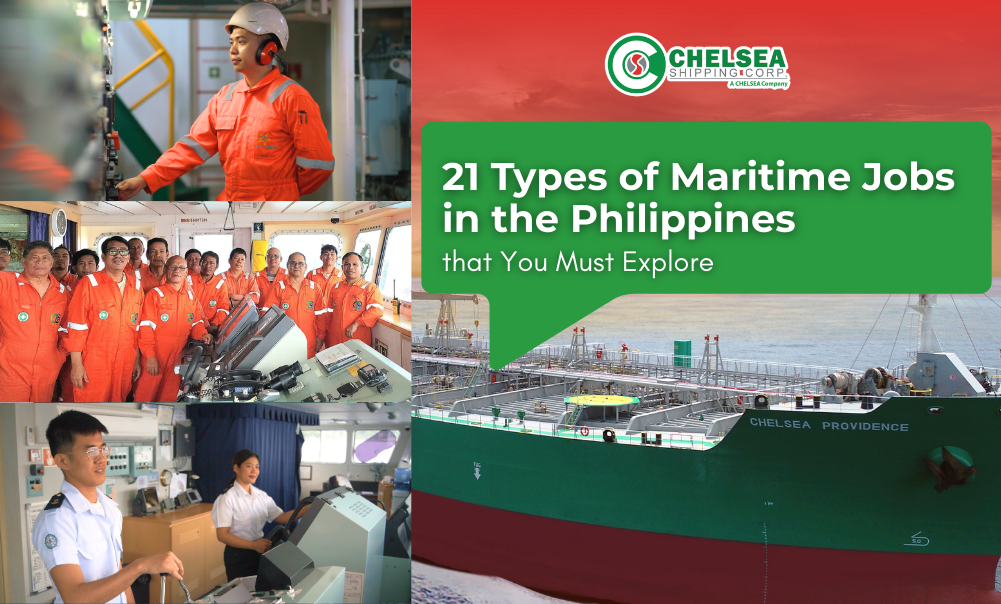
The M/T Chelsea Providence is the Philippines’ largest registered tanker vessel, spanning a length of 183.3 meters and can carry up to 53 million liters of petroleum products. This medium-range bulk cargo carrier was revealed by Chelsea Shipping Corp, which now operates it to support local oil companies and refineries.
7. It provides various business benefits to different industries.
Large-scale domestic businesses, particularly those in the agriculture, energy, manufacturing, mining, and oil and gas industries, frequently make use of bulk cargo shipping companies. The diverse customized services allow them to facilitate B2B and B2C bulk shipment efficiently at cost-effective rates. Cargo carriers in the Philippines have long been fostering strong connections between suppliers of raw materials, manufacturers, and customers.
Advantages of Coordinating with Bulk Cargo Companies in the Philippines
Optimized Bulk Shipping Process
Expect a quicker loading and unloading process when transporting unpackaged commodities through a bulk cargo vessel. The presence and use of specialized equipment allow for a streamlined business operation, which cuts down the time needed to haul cargo onboard.
Reduced Packaging Costs
Bulk shipping eliminates the need for tedious packaging of raw materials and loose commodities, thereby helping businesses trim down on packaging expenses. Cargo carriers in the Philippines also offer reduced rates for long-term clients and partners, which further promotes cost-effectiveness.
Specialized Cargo Handling Procedures
Because a bulk cargo vessel can support an array of products, it is crucial that a shipping company is well-versed in industry-recognized techniques in cargo handling. Cargo companies use state-of-the-art loading, lifting, and pumping equipment to load and discharge commodities. They can also provide customizable options for specific goods, upholding product integrity until it reaches its destination.
Bulk cargo carrier services are highly versatile, particularly for large industries that distribute nationwide. By learning the different capacities, features, and services of dry and liquid bulk carriers, businesses can leverage this method of shipment to achieve optimal supply chain efficiency.
ALSO READ: A Detailed Look into Cargo Vessel Ships
Find a reliable partner in Chelsea Shipping Corp. We accommodate dry and liquid bulk cargo carrier services for diverse industries in the Philippines. Chelsea Shipping also specializes in the domestic transport of petroleum products, LNG, and LPG, empowering the local energy sector.
View our services here and work with us today.