7 Must-Know Facts About Tug Boat and Barge Operations
- blog
- June 25, 2026
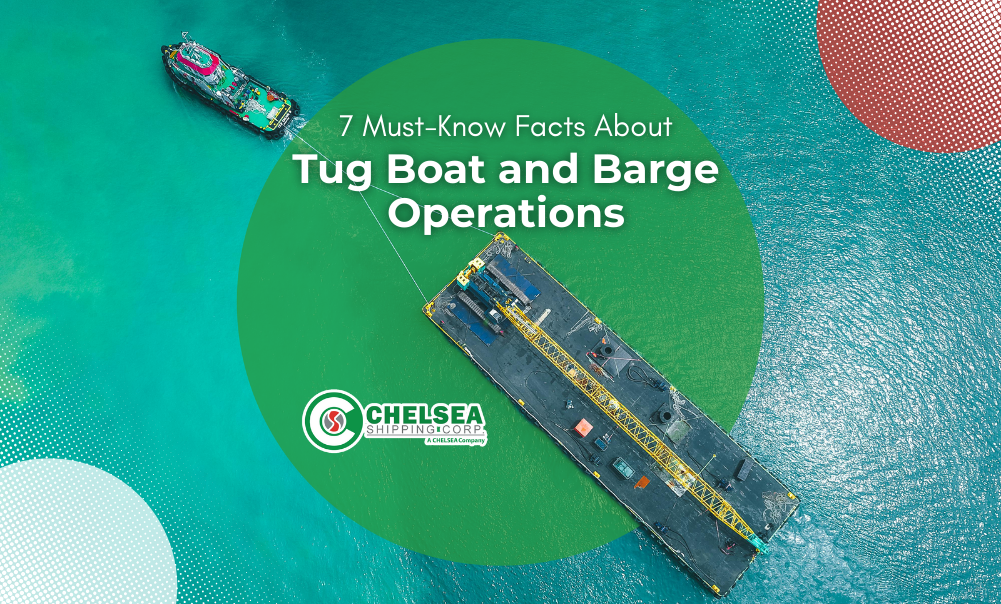
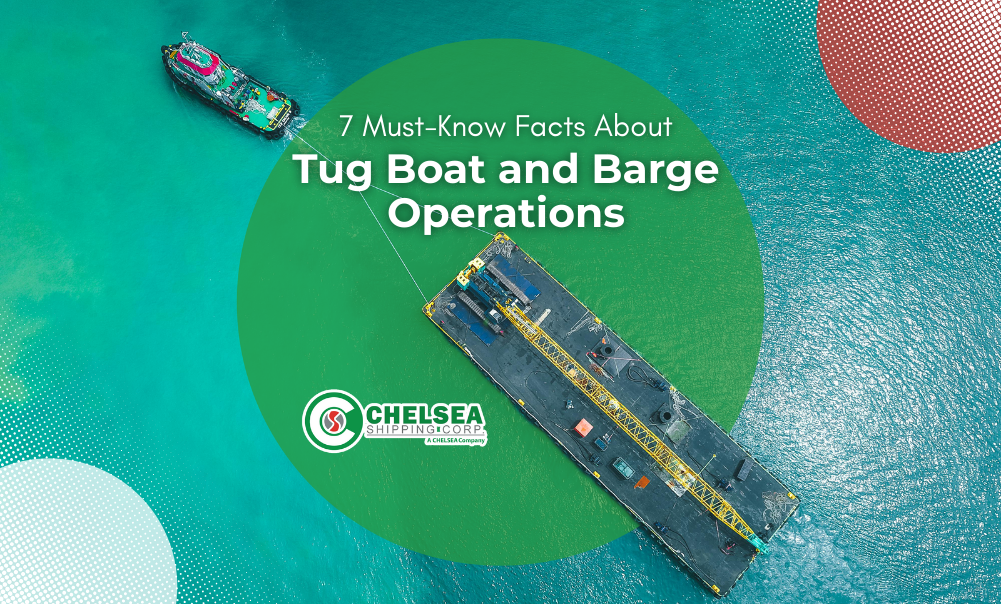
Versatile watercrafts like tug boats support a variety of vessels, including stationary water structures. Tug boat and barge services provide functional support to cargo, RoRo, and even tanker ships. When combined, the two water crafts can enhance shipping operations in inland waterways, shallow waters, ports, and harbors. They play a meaningful role in streamlining cargo transport and assisting offshore activities.
It is important to be familiar with the versatility of tug boats, as well as the functionality of barges. This article lists basic facts about tug and barge services that can lead to improved shipping operations.
7 Essential Facts About Operating Tug Boat and Barge
1. Tug and barge operations focus mainly on cargo.
Barges are the flatbeds of the sea. They can carry diverse cargo, including dry bulk, liquid, oversized, and container cargo. Businesses that deal with metal ores, coal, or construction materials can leverage reliable, high-capacity barges to accommodate heavy loads without the expensive costs of hiring a regular carrier.
2. Non-self propelled barges are dependent on tugs.
Barges, usually non-self propelled types, are pushed or towed by tug boats. A tug boat and barge that is located in the ocean will most likely be pulled along due to the large open space available. Meanwhile, barges in narrow inland waterways like rivers and canals must be pushed by a tug.
3. There are various types of barges.
Many kinds of barges operate worldwide; however, inland barges make up a large majority of these. Here are four common types used in tug and barge operations:
- Barracks Barge: Also known as accommodation barge, these ships are used as floating hotels, barracks, or command centers for offshore workers. These are also used by the navy and marine personnel during repairs or temporary assignments.
- Deck / Dry Bulk Cargo Barge: Deck barges have a vast platform, designed to carry diverse cargo, from bulk to irregularly shaped goods. It can also carry livestock, large structures, and serve as floating docks or extension to land.
- Tanker / Liquid Cargo Barge: Similar to a tanker vessel, tanker barges are used to carry bulk liquids like petroleum products, chemicals, or oil. They are designed with specialized holds to carry and protect liquid commodities.
- Power Barge: Offshore energy facilities are built on barges. They are deployed for island grids and maintaining power in critical harbors and port areas.
4. Tug boat and barge services are great for small waterways.
When cargo vessels are incapable of entering narrow canals or rivers, a tug boat and barge complete the job. No matter how heavy cargo shipments are, they can be loaded onto a barge and maneuvered by a tug boat down to its rightful location. The powerful propulsion system of tug boats allow them to apply the precise thrust needed to pull or push a barge. Furthermore, both are built to navigate shallow waters unlike cargo ships.
5. They can be used for ship-to-ship transfer.
While tugs are primarily used for maneuvering large vessels at the port, they can also be used to connect ships and barges for the transfer of goods. Floating docks or dry cargo barges, in particular, can supplement the loading and unloading process from freight carriers. This way, goods can be moved at a transfer point with ease. It also serves as an extension of land for ports with insufficient space to hold cargo while waiting for the next ship.
6. Tug and barge services are relatively cheaper than operating a cargo vessel.
In contrast to a cargo ship, a tug boat and barge is easier to maintain and operate. Their small size and capability to maneuver through small waterways eliminate the need for tedious transfer processes. Tug boats also consume less fuel than traditional shipping vessels, which significantly cuts back on consumables costs.
Trusted shipping companies in the Philippines that have a comprehensive tug boat fleet can also provide specialized manning. When you partner with a reputable operator, you will have access to a pool of experts backed by years of training and experience in tug and barge operations.
7. Onboard crew and tugs supplement operations of cargo barges.
While self-powered barges require a manning crew, non-self-propelled types also need barge crewing. They are in charge of handling and securing cargo, mooring and berthing, communication, and safety monitoring. It is important to delegate these responsibilities to skilled staff to keep the integrity of a barge and its cargo.
At the same time, tugs provide support in key aspects like transportation, emergency response, and communication. Most tugs are designed with firefighting and rescue equipment, allowing a swift response for critical cases at sea.
Ocean and sea vessel operations would be incomplete without supporting watercraft, such as tug boats and barges. While tug boats provide the essential precision, power, and propulsion to help vessels navigate through small bodies of water, barges offer auxiliary support for cargo, offshore works, and even energy. When combined, the two watercraft can streamline shipping operations to scale.
ALSO READ: A Comprehensive Look at Vessel Chartering in the Philippines
Chelsea Shipping’s unbeatable fleet of tug boats, under Fortis Tugs and Davao Gulf, provides reliable towage, salvage, and assistance to diverse types of sea vessels plying the Philippine seas. Our tug boats can support large cargo carriers, non-self-propelled barges, tankers, and passenger vessels in various ports throughout the country. Get a quote today and connect with us here!